Shoulder cap
Peak, front slope, superior armhole and the retained posterior boundary.
Inside the workshop · A visual production guide
Creating the two receptionists of Inquory World — and learning what it really takes to turn an ambitious image into a character that can belong in a game.
Enter the workshopNew from the workshop · October 22: Read the V22–V26 seam and sliding report, then see what V27–V28 revealed about body collision and fabric strain and the V29–V31 body-control checkpoint, followed by the V34–V36 art and complete-export report. Continue with the V37–V40 lapel and hair checkpoint and the V41–V42 jacket and skirt construction report. Latest modelling update: cloth contact and hair guides ↗ This guide retains its original R4-V21 evidence edition.
Reception is the first human-scale encounter in an office. Before a player understands every production recipe or property rule, a person at the desk can make the space feel occupied. Our two receptionist designs explore that role through different silhouettes, faces, materials and gestures.
That small moment depends on a large amount of invisible construction. A picture has one camera and no obligation to move. A character needs coherent geometry from every angle, clothing that follows the body, hair with volume, and a file that survives saving and export. This is our account of that gap: the decisions we could verify, the experiments we rejected, and a practical method other small teams can take away.
The retained design sheet establishes two adult fictional characters. A combines dark hair, a loose updo and black tailoring with restrained gold details. B uses blonde hair, a white blouse, a tan skirt and lighter footwear. Faces, exposed-skin coverage, neckline, hardware and material contrast are part of the reference; changing those choices silently would change the design.
We use the sheet as a visual target, not a source of hidden anatomical measurements. Generated front, side and back views can disagree. A clasp that looks convincing in one panel may not have a consistent three-dimensional construction. The modeller has to choose a coherent interpretation and then inspect the result without a flattering reference camera.
The supplementary production board also contains aspirational labels. Its words about readiness and integration do not certify the models below. Keeping that distinction visible is essential when concept art and actual development renders appear in the same guide.
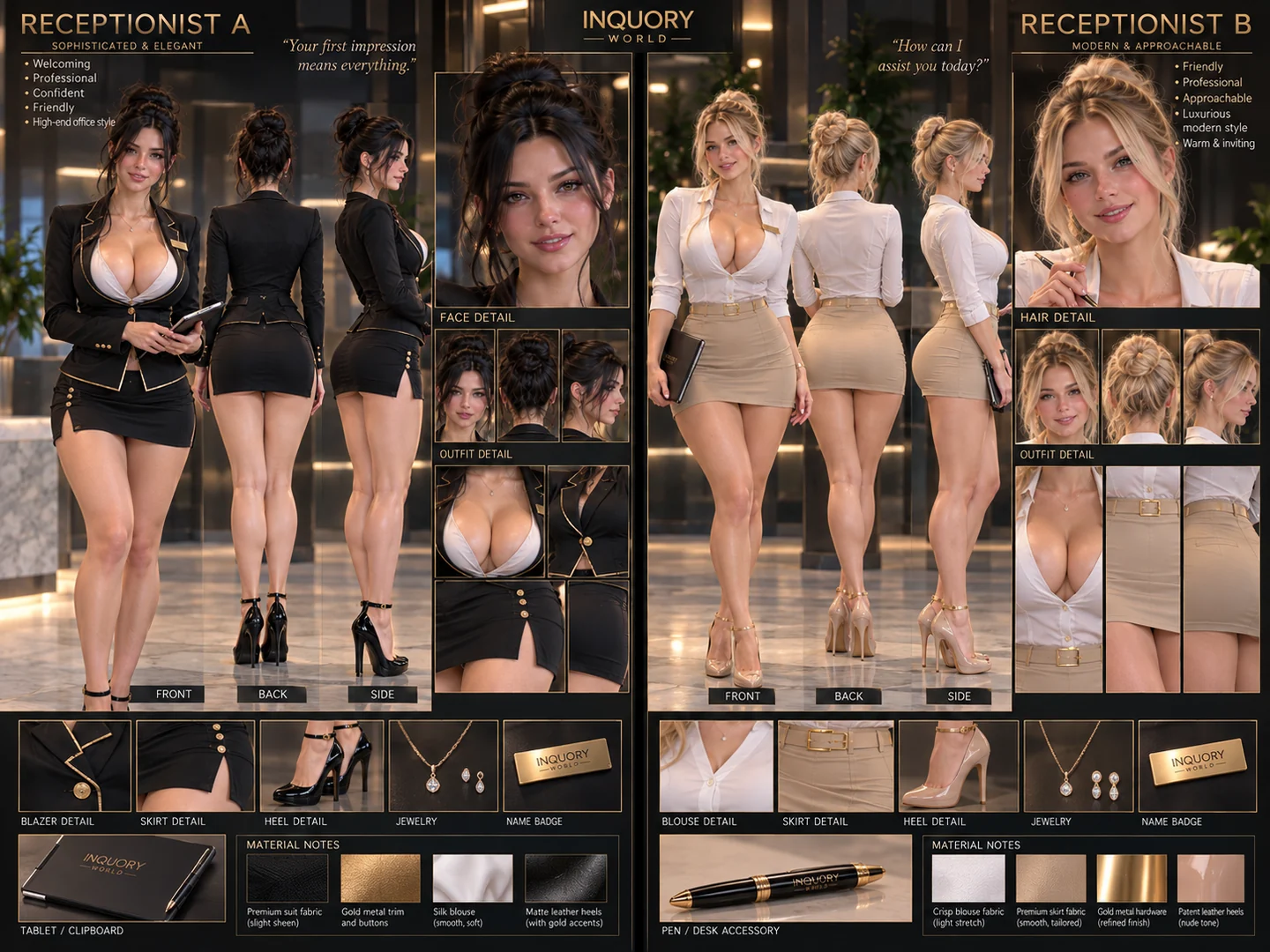
The retained A/B design sheet: black-and-gold tailoring for A; a white blouse and tan skirt for B. AI-generated concept art, not finished models or gameplay.

Supplementary AI-generated production board. Its printed “production ready” language describes the intended destination; it is not an achieved qualification.
Takeaway: write down which image is the design authority, which surfaces are interpretations, and what evidence would demonstrate an actual match.
We moved to locally available MPFB/MakeHuman foundations in Blender. The retained A6/B7 sources provide editable body geometry, UVs, skin weights and a 163-bone rig per character. They are starting points for construction, not evidence that the intended identities have been achieved.
The early combined previews are useful precisely because they show the gap. A still has an inherited suit treatment and short swept hair. B has a simple sleeveless top and a provisional skirt treatment. The posed, textured assemblies below are historical V10 diagnostics; later partial-component studies do not magically update an older full-body render.
Preservation prevents each experiment from becoming a new character generator. We retain topology, the rig, weights, UVs and shape-key foundations, then make a separate candidate for a scoped correction. A change to the mouth should not quietly alter a protected eye region; a blouse experiment should not replace the body beneath it.
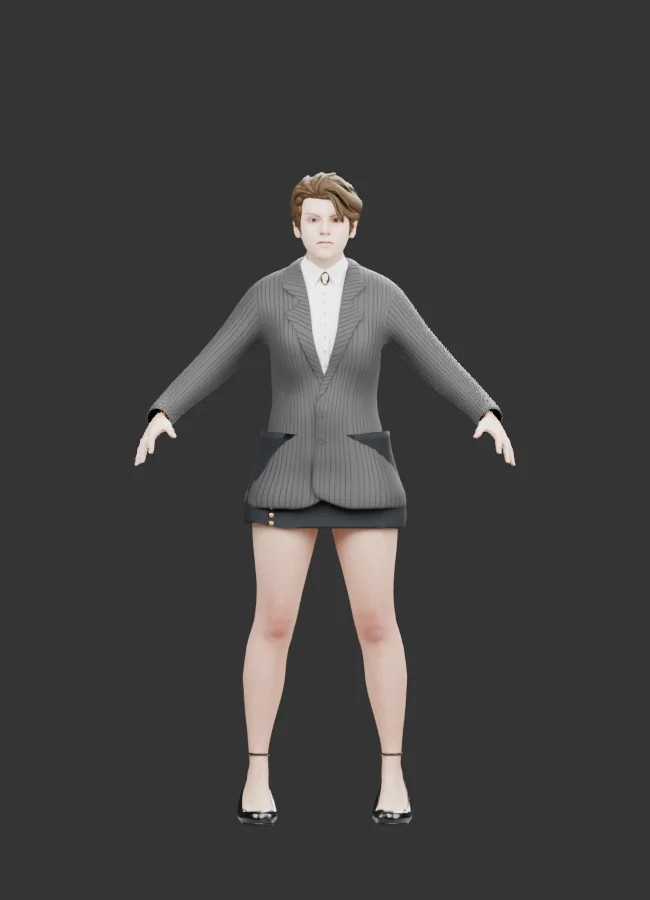
Historical V10 diagnostic assembly of receptionist A. The face study, inherited wardrobe and placeholder hair do not constitute a finished character.
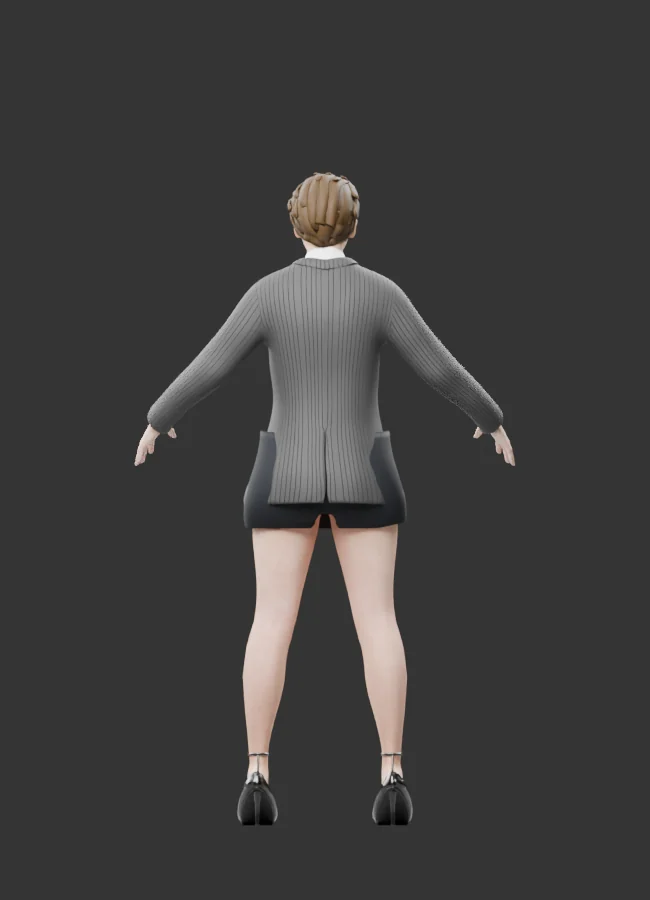
Historical V10 diagnostic assembly of receptionist A. The face study, inherited wardrobe and placeholder hair do not constitute a finished character.
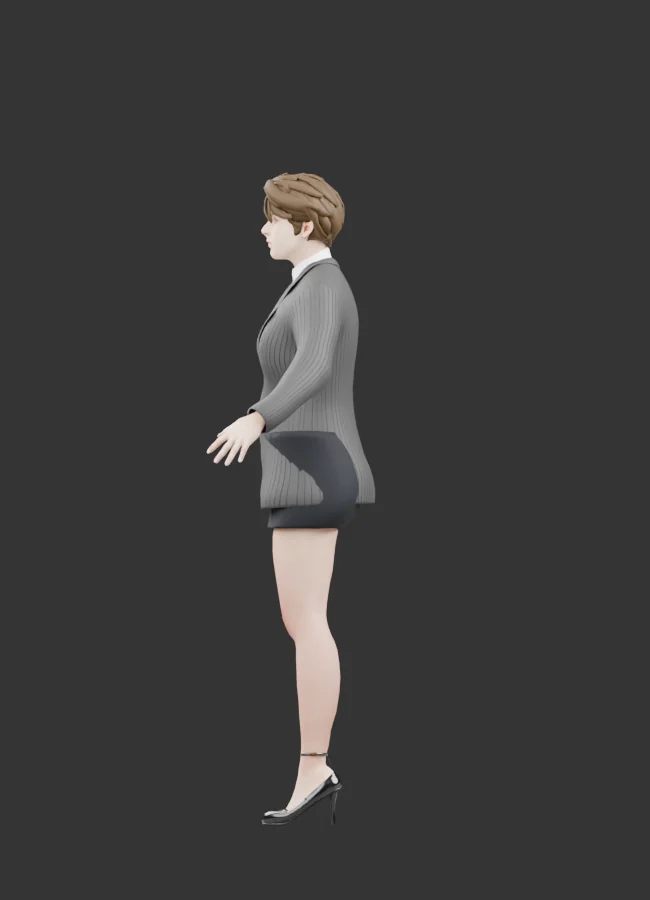
Historical V10 diagnostic assembly of receptionist A. The face study, inherited wardrobe and placeholder hair do not constitute a finished character.
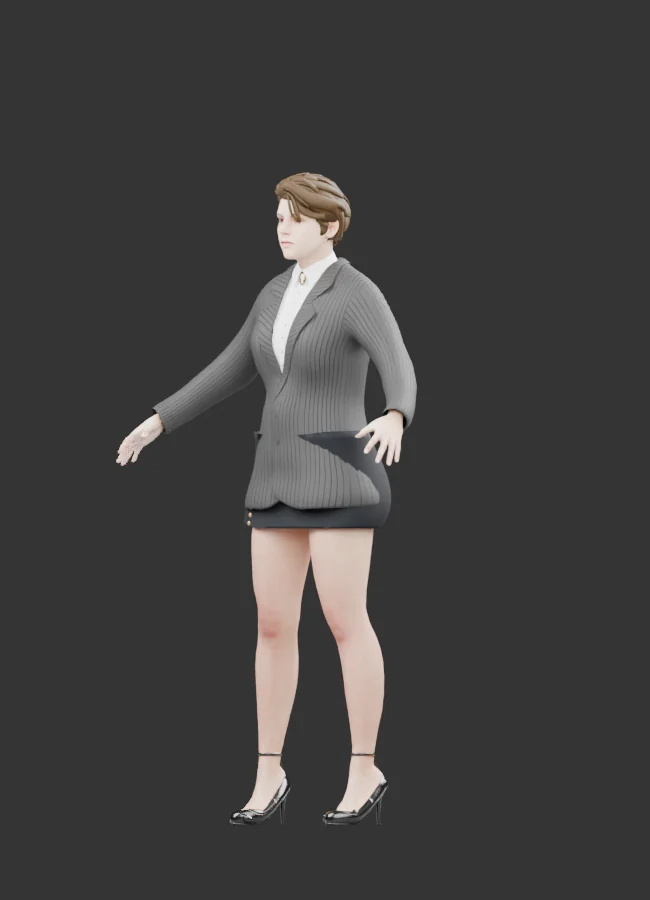
Historical V10 diagnostic assembly of receptionist A. The face study, inherited wardrobe and placeholder hair do not constitute a finished character.
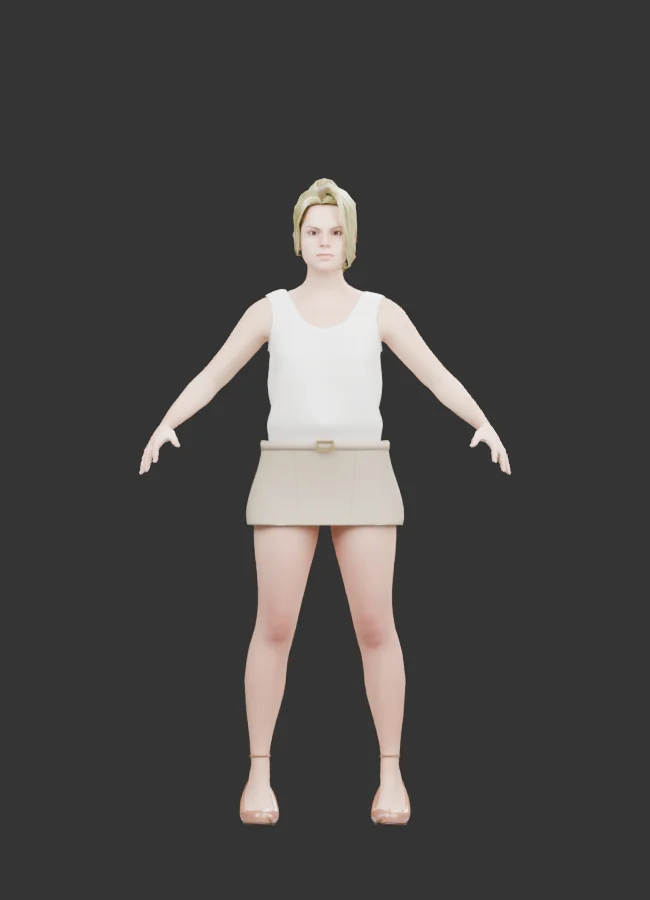
Historical V10 diagnostic assembly of receptionist B. The face study, inherited wardrobe and placeholder hair do not constitute a finished character.
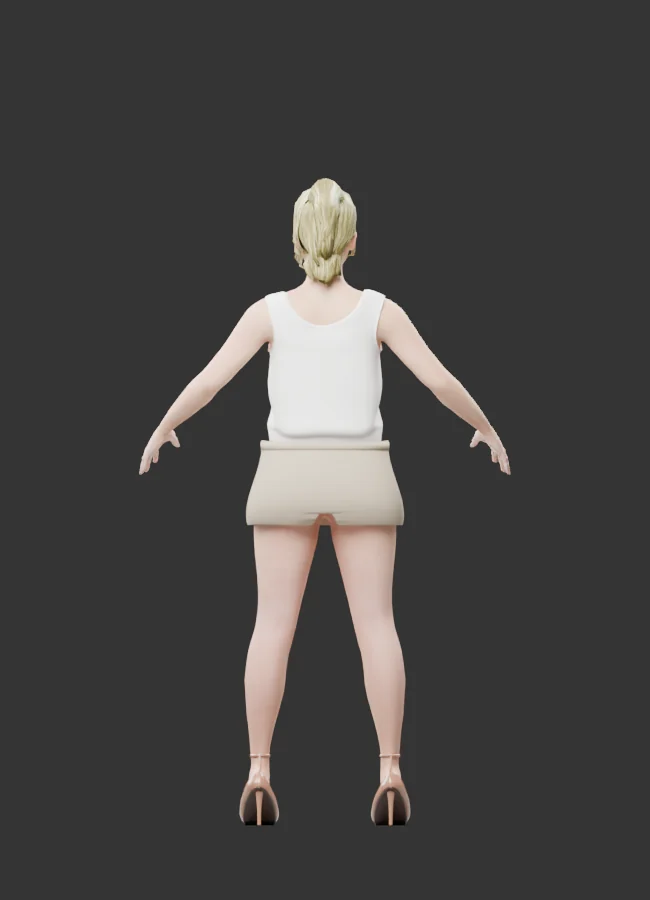
Historical V10 diagnostic assembly of receptionist B. The face study, inherited wardrobe and placeholder hair do not constitute a finished character.
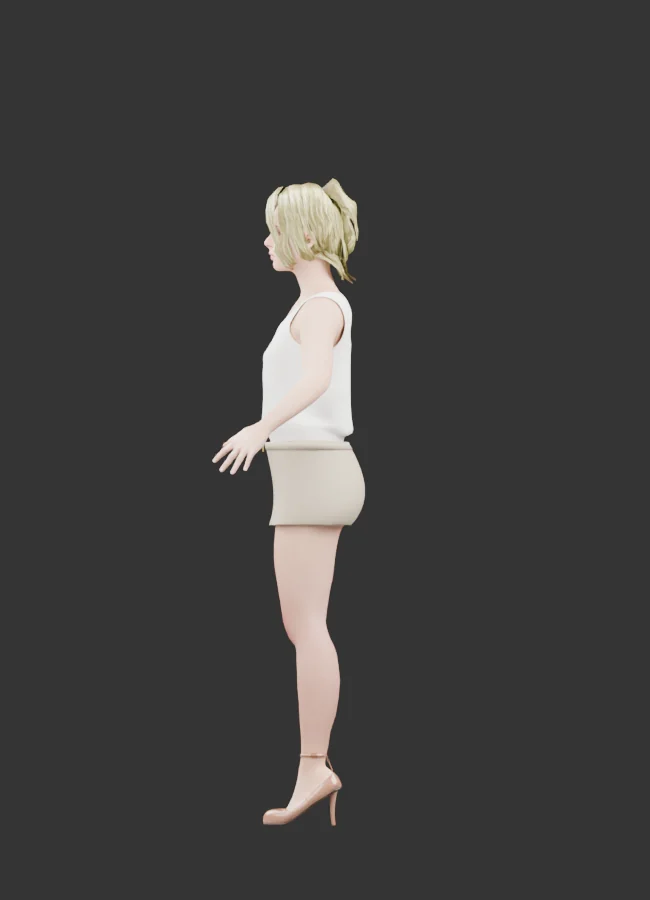
Historical V10 diagnostic assembly of receptionist B. The face study, inherited wardrobe and placeholder hair do not constitute a finished character.
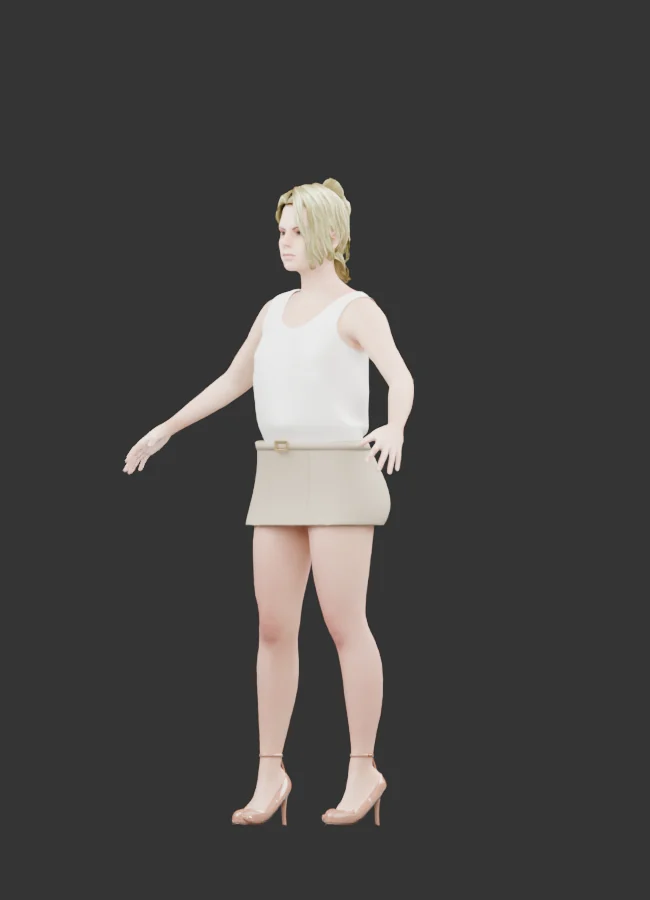
Historical V10 diagnostic assembly of receptionist B. The face study, inherited wardrobe and placeholder hair do not constitute a finished character.
Never assemble a success story from unrelated revisions. A passing shoe, an older body render and a new hair test are three pieces of evidence, not one certified character.
Skin shading and hair can distract from the geometry. We therefore compare shaded views with neutral clay studies. The clay view asks a harder question: do the eyelids, mouth, cheeks, nose and jaw still describe a believable, distinctive person when material cues are removed?
The target-native V10 studies preserve the selected body foundations. Later mouth experiments did not provide a convincingly better anatomical solution. The current decision is to keep the stronger selection and avoid repeating generic mouth deformations. During any future lower-face work, 1,394 protected eye-neighborhood vertices per character must remain unchanged.
That protection is a measurable engineering constraint. It does not approve the eyes or the face aesthetically. Identity, lip anatomy, expression and final skin treatment remain unfinished, and neutral facial renders make those limitations easier to discuss.
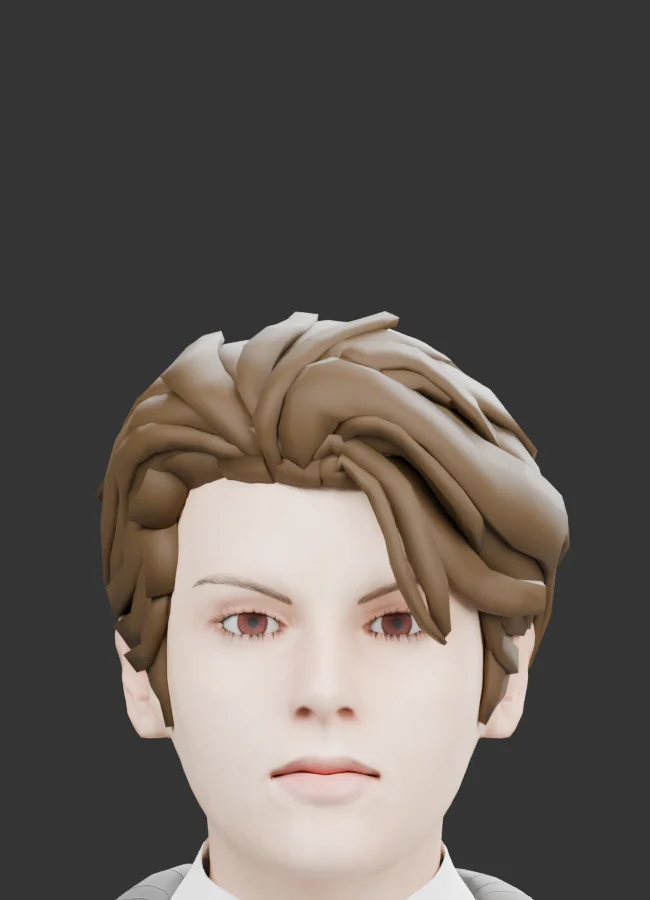
V10 face study. Neutral and shaded views expose unresolved mouth, eye and identity work; neither face has artistic acceptance.
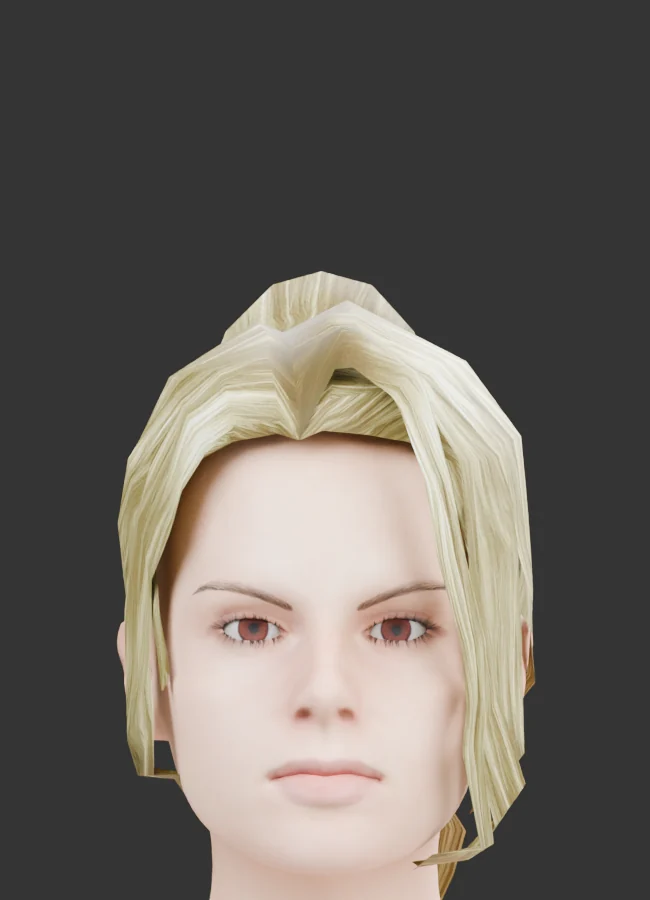
V10 face study. Neutral and shaded views expose unresolved mouth, eye and identity work; neither face has artistic acceptance.
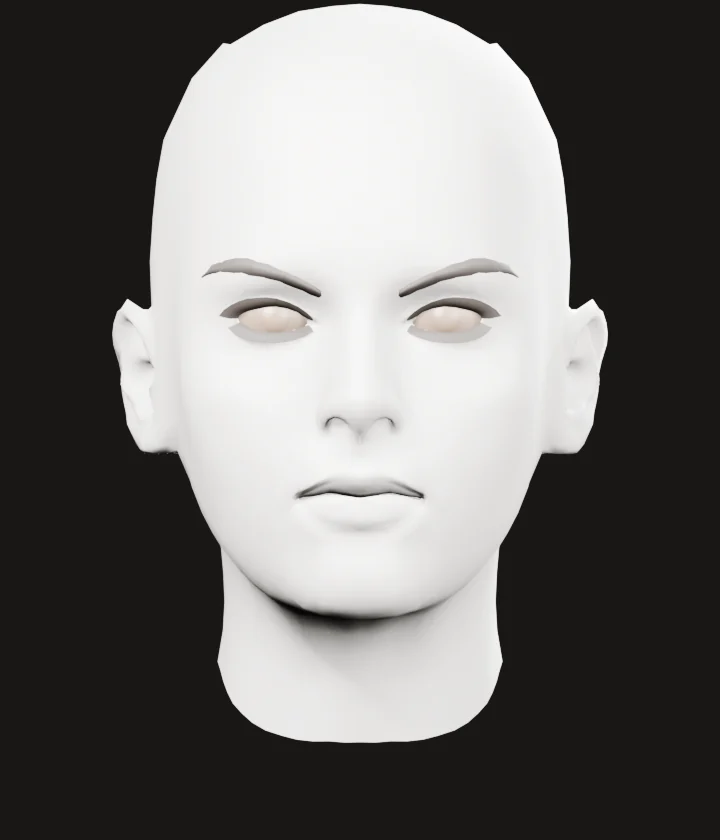
V10 face study. Neutral and shaded views expose unresolved mouth, eye and identity work; neither face has artistic acceptance.
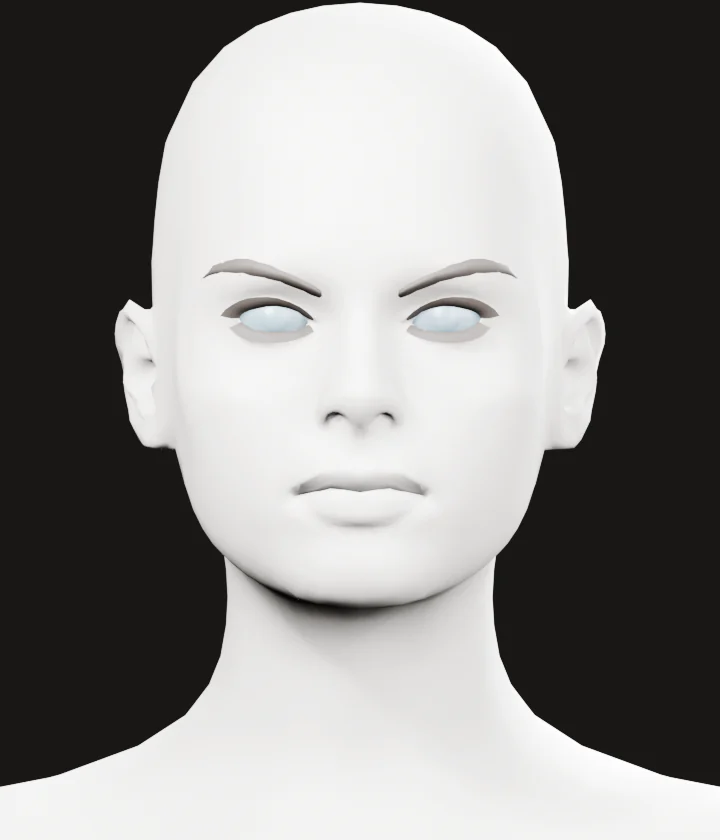
V10 face study. Neutral and shaded views expose unresolved mouth, eye and identity work; neither face has artistic acceptance.
The shoes exposed two different problems: how closely a surface follows the foot, and whether that surface looks intentionally designed. We first addressed local contact using the same saved native candidate and its clean imported export. The selected V9 local-contact-v02 pair remains the relevant static result.
The maximum sampled inward estimate fell from historical failures of about 6.179 mm for A and 5.643 mm for B to 0.593 mm and 0.079 mm respectively. The static threshold was 2 mm. Topline and strap distance checks also stayed within their frozen bounds, and the sampled clean-import surface discrepancy was zero for these static checks.
This is a sampled fit screen, not a proof that no volume can ever intersect during motion. The rendered toe bumps, uneven opening and topline still need art work. A later smoothing study made only a marginal visual difference and was not promoted. Keeping the better static pair was more useful than renaming the same limited smoothing approach.
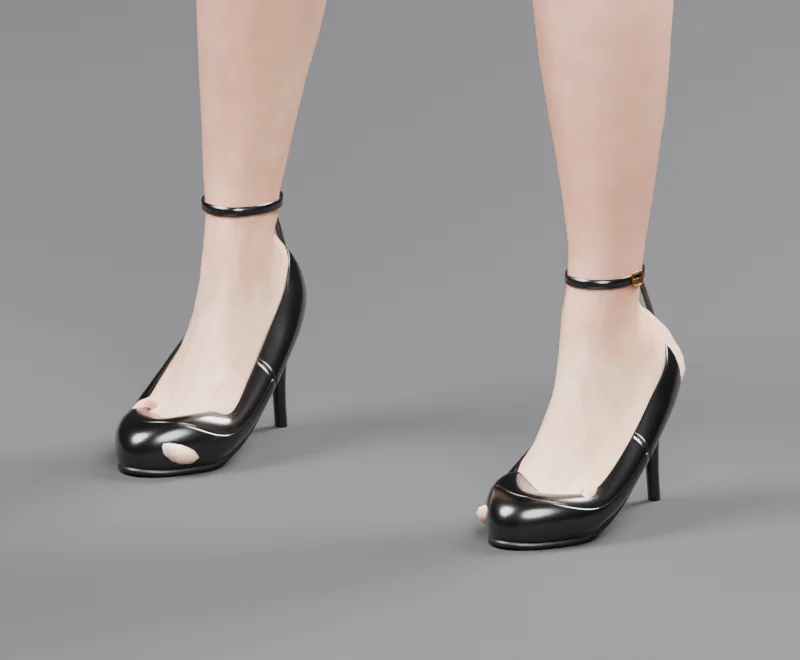
V9 local-contact-v02 footwear study for A. Static fit improved; toe contour and topline art remained unaccepted. Diagnostic colors are an engineering overlay, not a finished material.
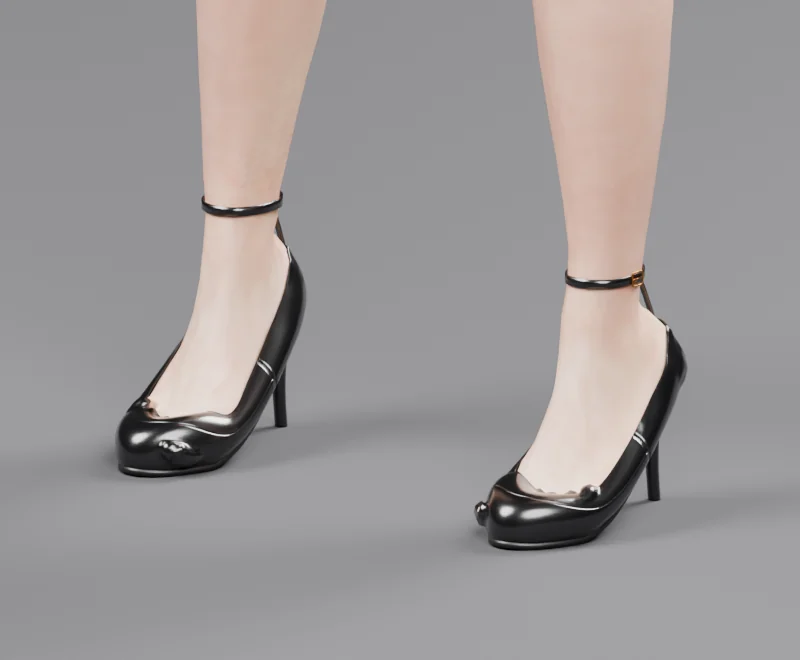
V9 local-contact-v02 footwear study for A. Static fit improved; toe contour and topline art remained unaccepted. Diagnostic colors are an engineering overlay, not a finished material.
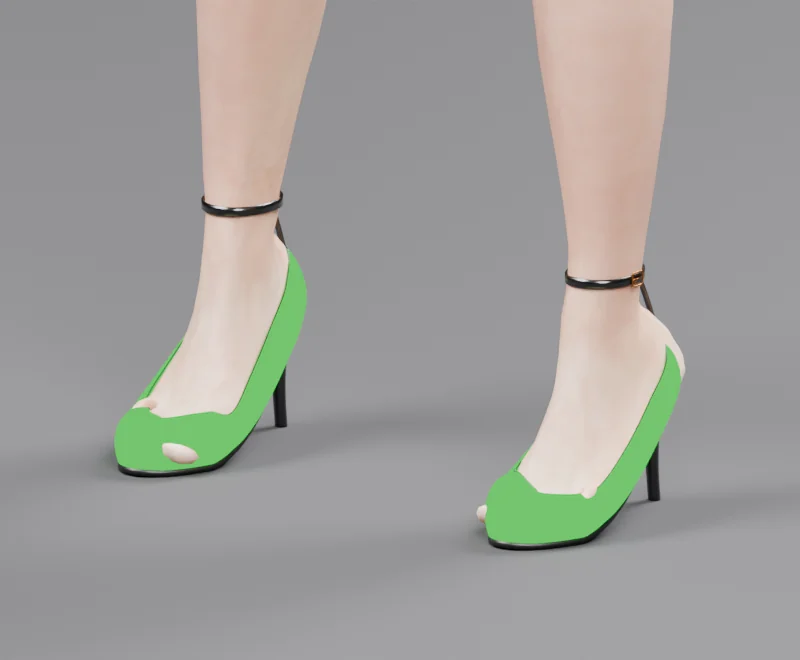
V9 local-contact-v02 footwear study for A. Static fit improved; toe contour and topline art remained unaccepted. Diagnostic colors are an engineering overlay, not a finished material.
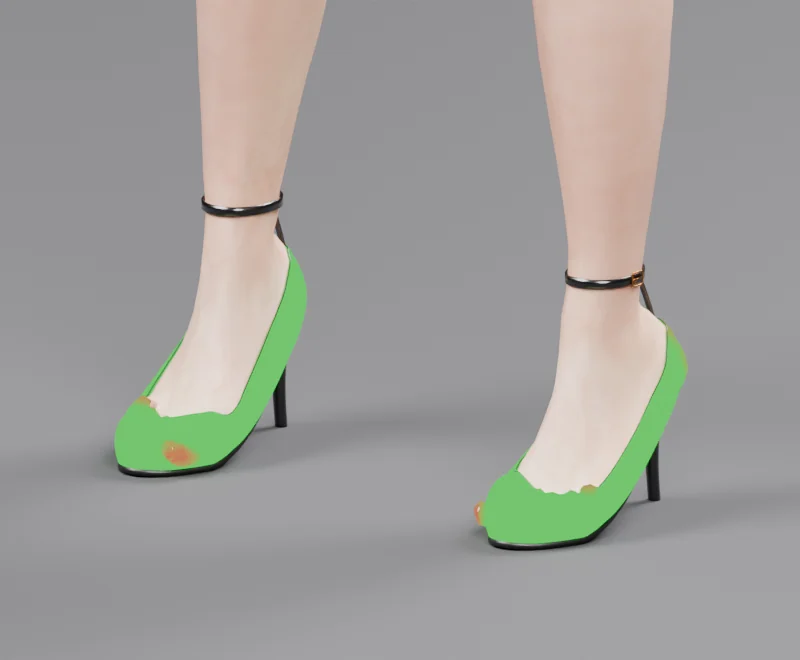
V9 local-contact-v02 footwear study for A. Static fit improved; toe contour and topline art remained unaccepted. Diagnostic colors are an engineering overlay, not a finished material.
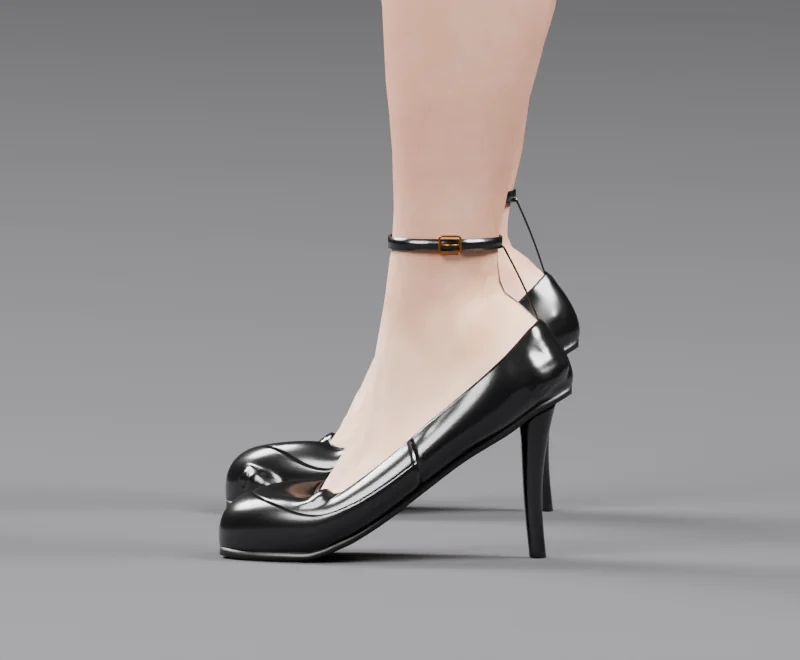
V9 local-contact-v02 footwear study for A. Static fit improved; toe contour and topline art remained unaccepted. Diagnostic colors are an engineering overlay, not a finished material.
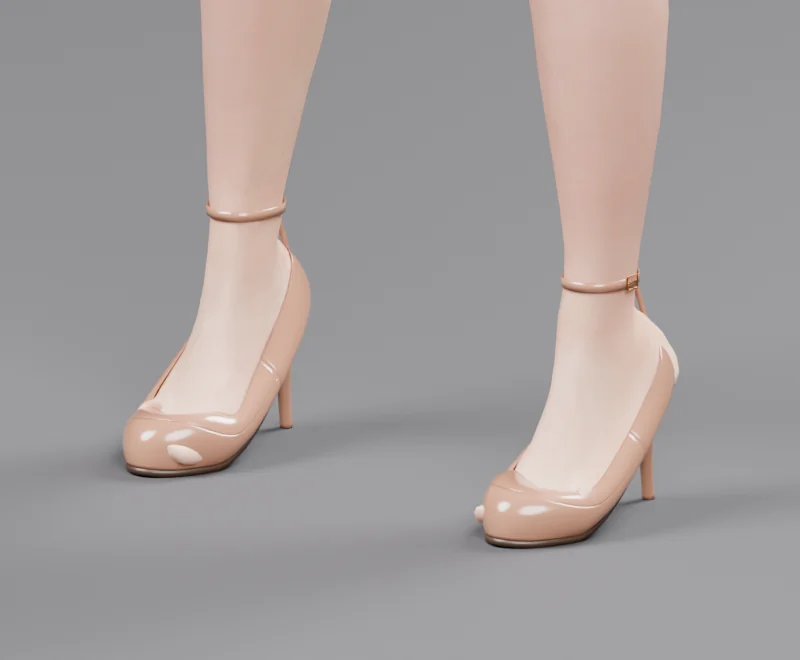
V9 local-contact-v02 footwear study for B. Static fit improved; toe contour and topline art remained unaccepted. Diagnostic colors are an engineering overlay, not a finished material.
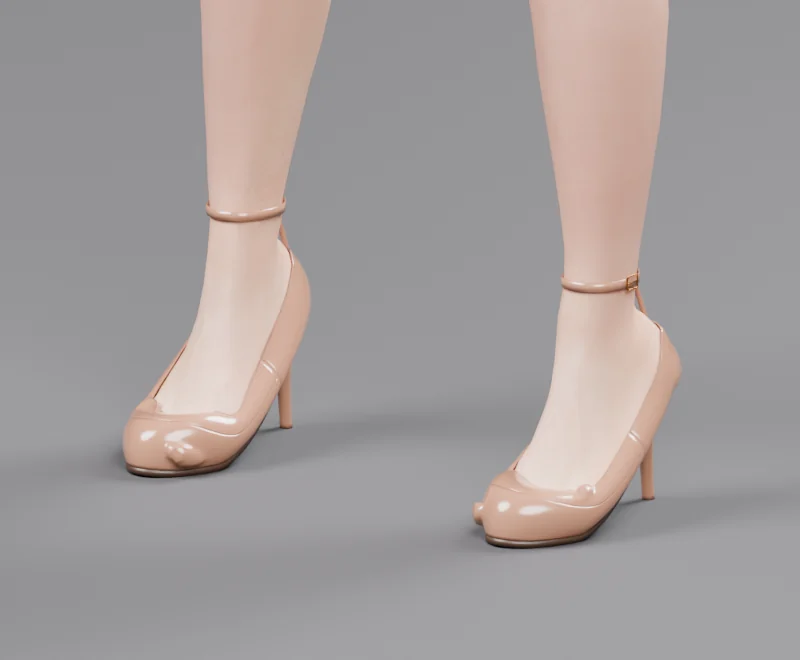
V9 local-contact-v02 footwear study for B. Static fit improved; toe contour and topline art remained unaccepted. Diagnostic colors are an engineering overlay, not a finished material.
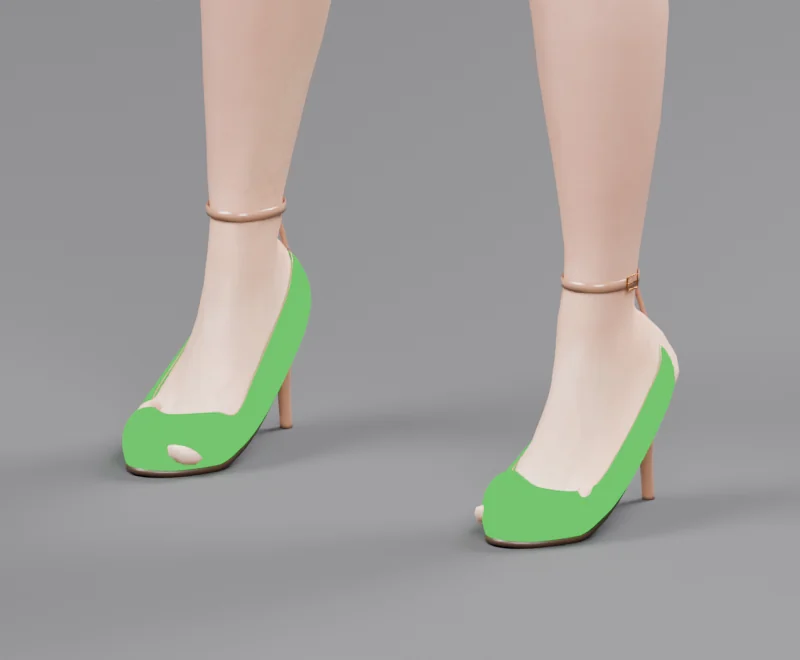
V9 local-contact-v02 footwear study for B. Static fit improved; toe contour and topline art remained unaccepted. Diagnostic colors are an engineering overlay, not a finished material.
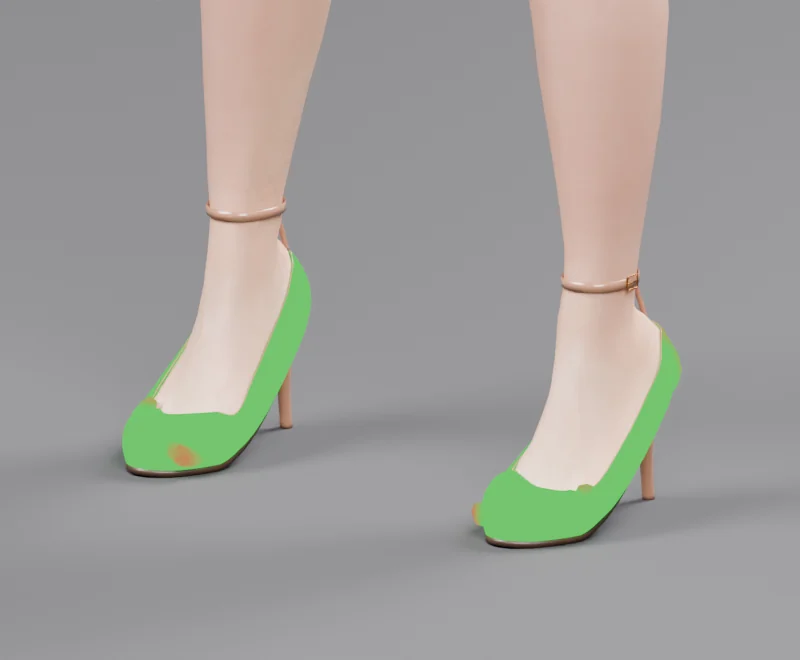
V9 local-contact-v02 footwear study for B. Static fit improved; toe contour and topline art remained unaccepted. Diagnostic colors are an engineering overlay, not a finished material.
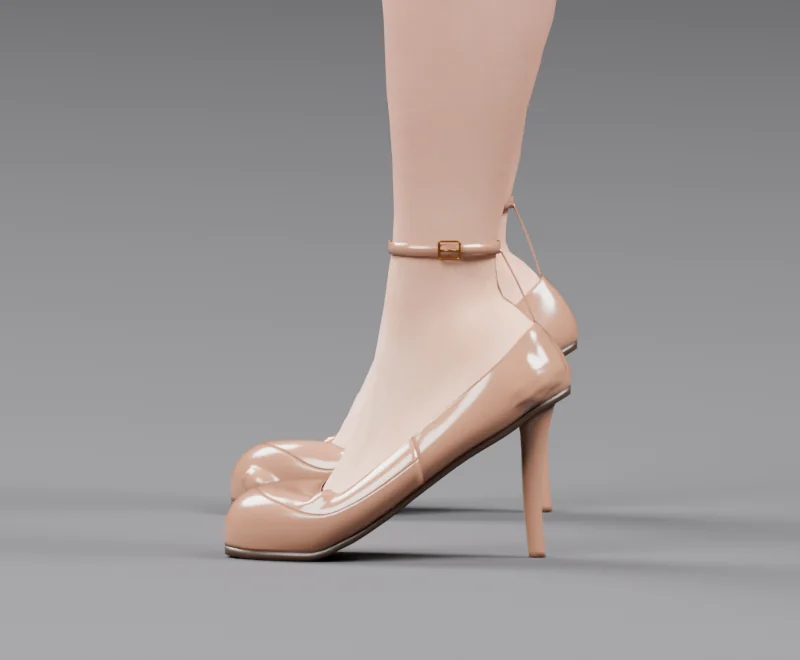
V9 local-contact-v02 footwear study for B. Static fit improved; toe contour and topline art remained unaccepted. Diagnostic colors are an engineering overlay, not a finished material.
Takeaway: inspect the error map and the silhouette together. A quieter diagnostic map can coexist with an unattractive shoe.
A fitted blouse cannot be solved by placing a white shell over the body. We used an actual FreeSewing Simon pattern source and retained its source-pattern coordinates while constructing local derivatives. The flat piece supplies material distances; the three-dimensional body supplies a different set of constraints.
The posterior yoke and back progressed as a bounded component. V15 is the retained posterior source for later joining, and its geometry must not be moved merely to conceal a failing front. The rear view below is intentionally modest: a small component can pass local checks while the blouse remains incomplete.
Seam position is only one part of a good join. Two boundaries can occupy almost the same place while their neighboring surfaces point in incompatible directions. We inspect stitchline correspondence, length, tangent compatibility, strain, clearance and intersections before creating a joined candidate.
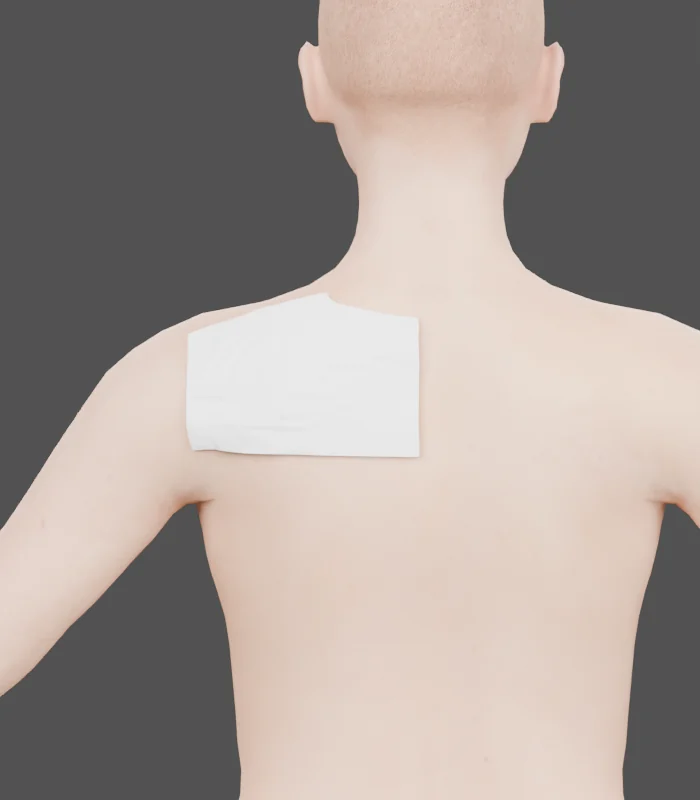
A saved posterior garment component on the B7 development body. A qualified local component does not establish a complete blouse.
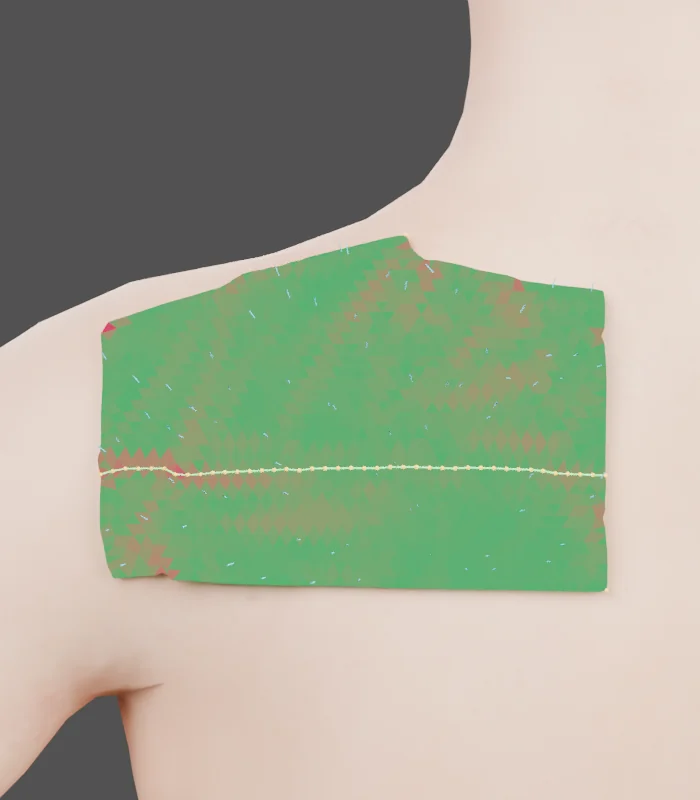
Earlier posterior-panel diagnostic under a matched view. The overlay helps inspect local continuity; green alone does not certify the full garment.
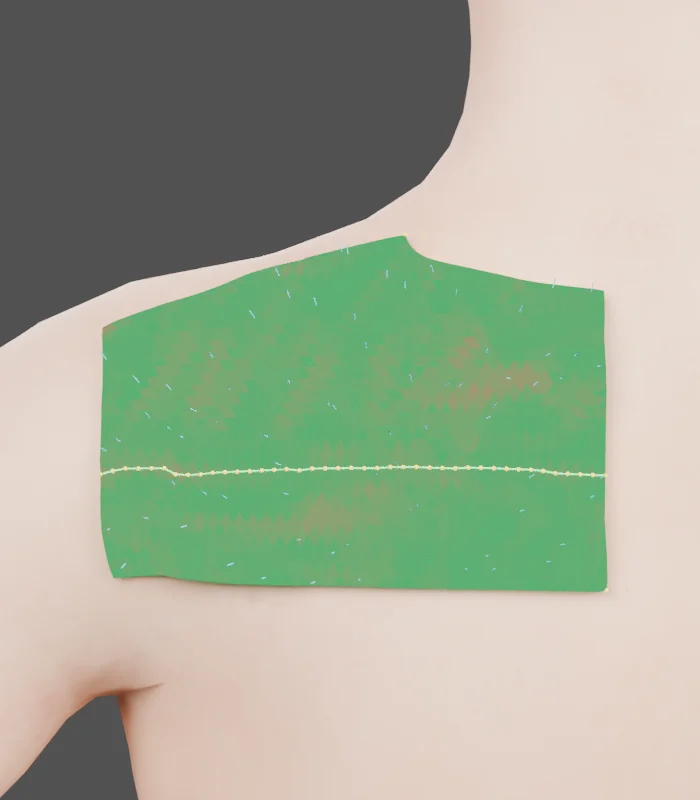
Revised posterior-panel diagnostic, retained separately from the still-failing upper front. These are component views, not a finished torso.
One early obstacle was numerical rather than artistic. Independently sampled boundaries created almost coincident elements. Very short edges and needle-like triangles made the surface a poor input for subsequent work. A common boundary station schedule gave the pattern and simulation interface the same ordered reference.
The saved V20 source contains 2,099 vertices and 3,921 simulation triangles. Its minimum edge is 2.413670 mm and its minimum triangle angle is 31.269651°. The retained contour differs from the source by 0.054693 mm. Duplicate, degenerate and unintended nonmanifold connections were rejected, and five injected corruption tests were correctly detected.
This cleared source-mesh preparation. It did not clear the garment. By separating that conclusion, we can preserve the exact passing mesh while investigating mapping failures elsewhere. Rebuilding a sound source because a downstream solver failed would throw away progress and blur the diagnosis.
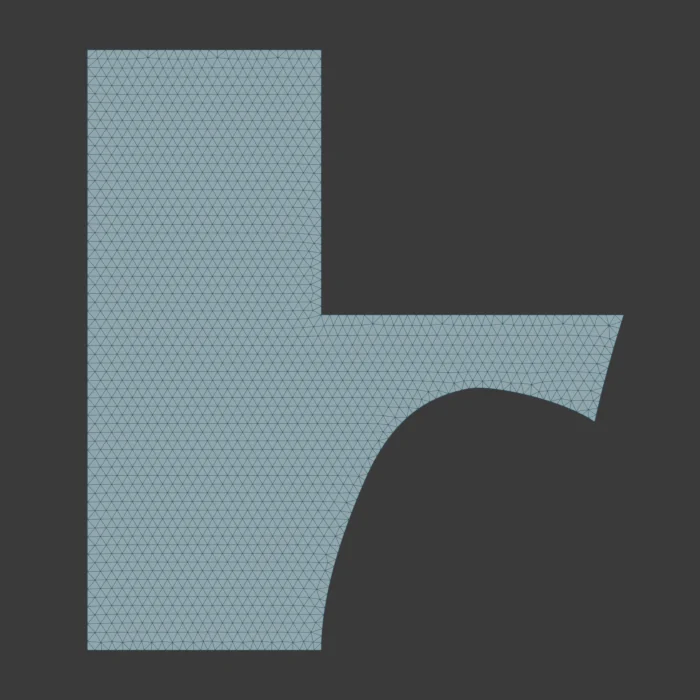
The actual flat simulation source: 2,099 vertices and 3,921 triangles. Conditioning passed before any claim about its fitted three-dimensional shape.
A validator should fail when a known defect is injected. Passing a valid file is only half the evidence; rejecting a deliberately corrupted one shows that the check is sensitive to the defect it claims to detect.
A point near the shoulder in a screenshot is not a durable anatomical reference. The selected B7 landmarks retain surface triangle and barycentric correspondence, allowing their positions to be reconstructed after a native save and reopen. The shoulder cap, front armhole, anterior axillary fold and lateral torso must remain distinct.
The earlier pitch target imposed a necessary chord-stretch bound of approximately 1.627×, beyond the 1.5× fitting ceiling. Correcting the shoulder-cap registration lowered that bound to approximately 1.349×. This removed a particular geometric conflict. It did not prove that the surface between all the anchors could fit.
That last sentence became important. Accurate endpoints can still be connected by a folded or twisted interior. Persisting the correct landmarks cleared the anchor problem and made the next failure easier to locate; it was not permission to declare the complete front solved.
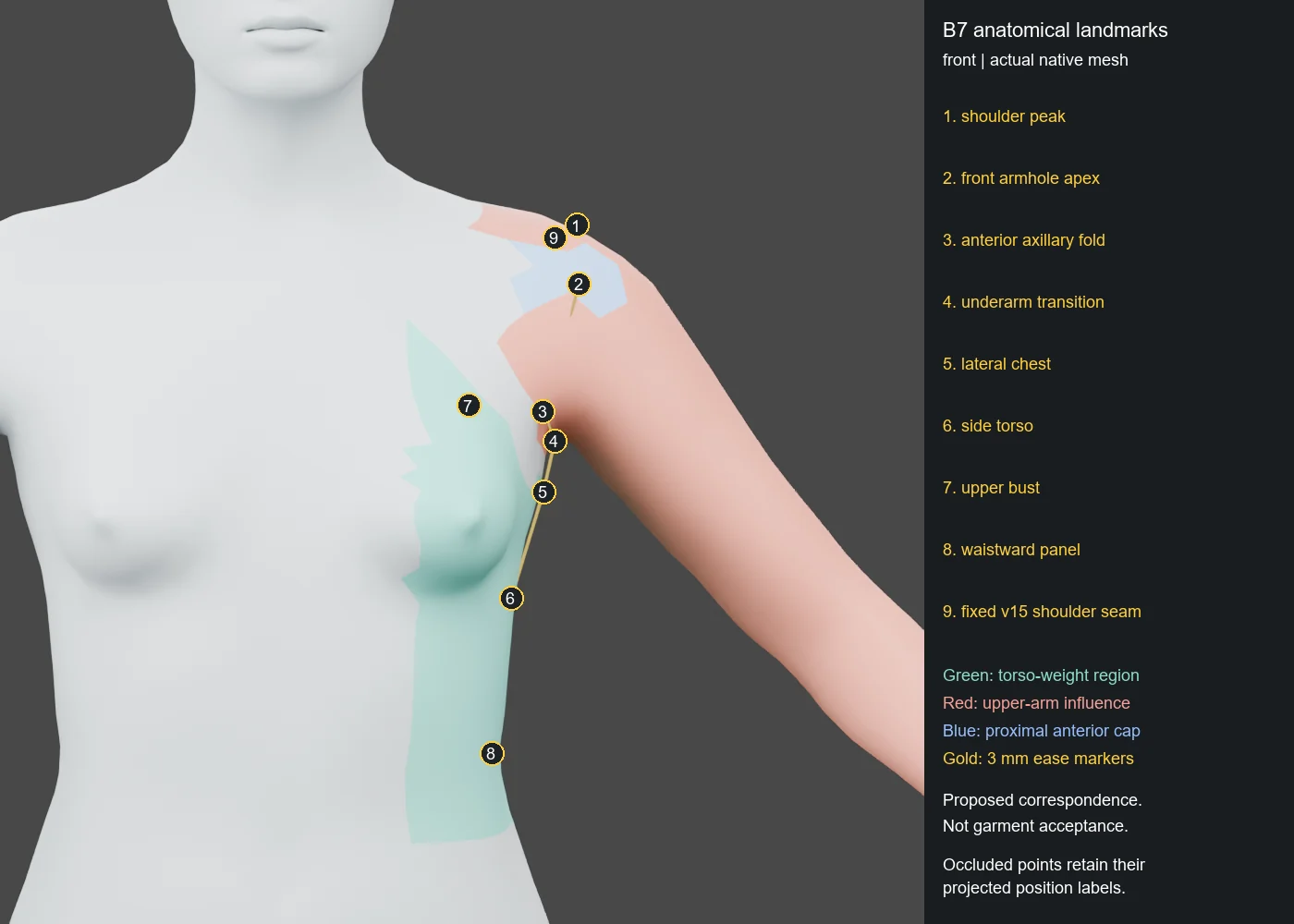
Saved B7 anatomical correspondence after the shoulder-cap repair. Landmarks identify the cap, armhole and axillary transition; they are not a garment fit.
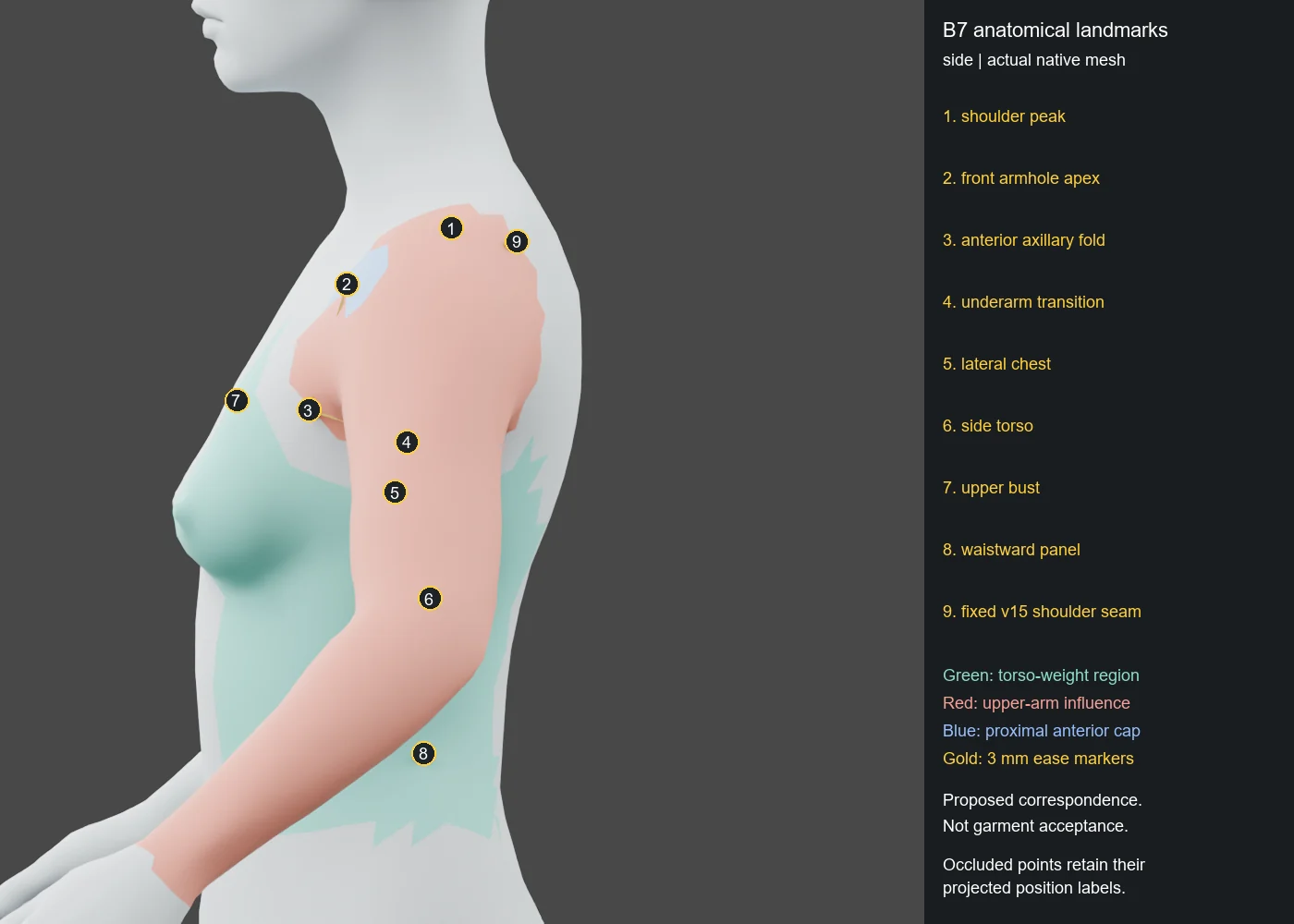
The side view separates the proximal shoulder cap from the deep underarm fold. Mapping the right landmark matters as much as keeping it persistent.
The V20 primary fit produced real saved geometry, but it failed both its numerical and visual requirements. The surface compressed in some places, stretched too far in others and formed a projecting underarm strip. The closeups below show why a small average clearance is not enough.
Principal stretch measures local deformation relative to the source pattern. A value of one preserves local length; values below one compress it, and values above one extend it. Our frozen screen allows 0.5–1.5×. The tested simulation instead ranged from approximately 0.024–2.319×. Hundreds of local elements fell outside the permitted range.
| Measurement | Observed | Required screen |
|---|---|---|
| Simulation principal stretch | 0.024–2.319× | 0.5–1.5× |
| Design minimum clearance | 0.0014 mm | 1–8 mm |
| Design mean clearance | 2.846 mm | ≤5 mm |
| Simulation body / self pairs | 17 / 1,467 | 0 / 0 in this screen |
| Design body / self pairs | 27 / 3,758 | 0 / 0 in this screen |
| Shoulder tangent break | 106.687° | ≤20° retained screen |
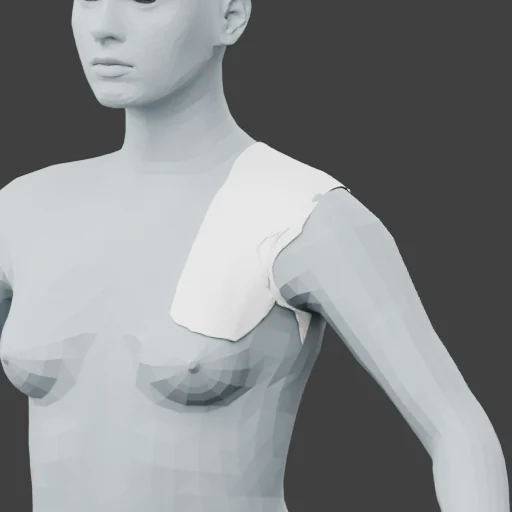
Rejected V20 primary fit. The surface folds and the underarm projects as a strip. It is shown to explain the failure, not as a selected garment.
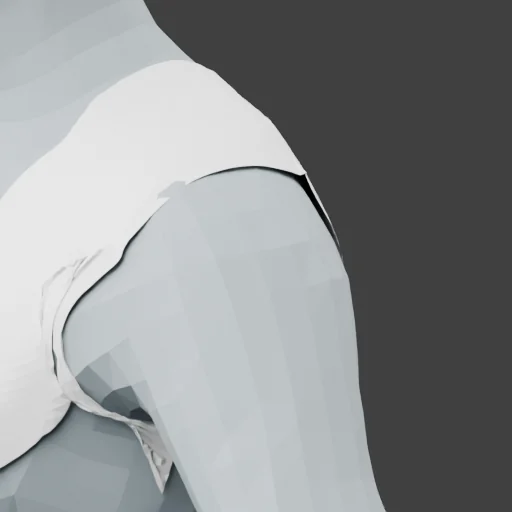
Rejected V20 primary fit. The surface folds and the underarm projects as a strip. It is shown to explain the failure, not as a selected garment.
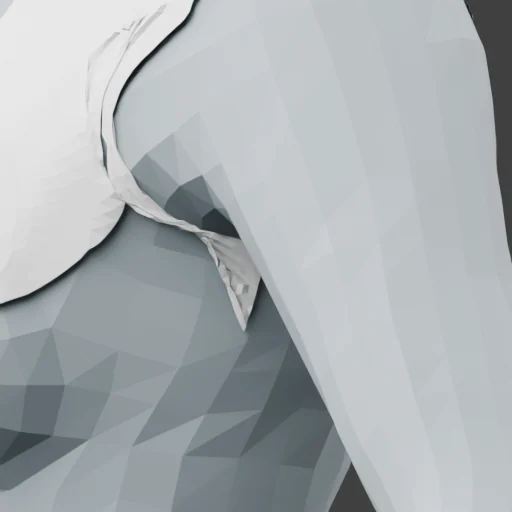
Rejected V20 primary fit. The surface folds and the underarm projects as a strip. It is shown to explain the failure, not as a selected garment.
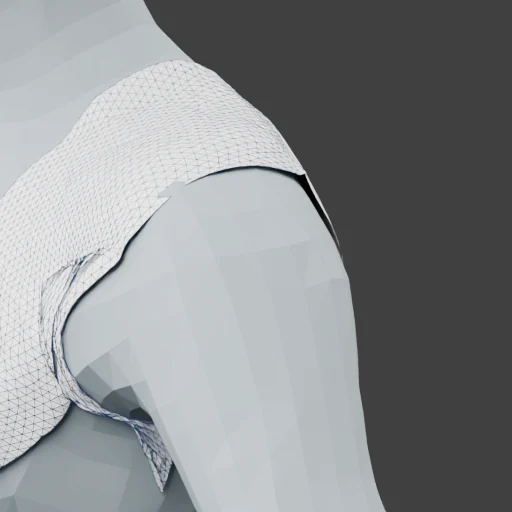
Rejected V20 primary fit. The surface folds and the underarm projects as a strip. It is shown to explain the failure, not as a selected garment.
The mean clearance met its limit while the minimum did not. A shoulder source-length error of about 0.677 mm and a zero preweld residual also passed their local screens, yet the tangent break and surface intersections made joining inappropriate. Local passes were preserved; the fitted front was rejected. No sleeves or collar were added to make it look more complete.
A bounded single-chart repair stopped in preflight: 213 folded or collapsed triangles and 355 points outside the eligible anatomical chart. The right next operation was not another long fitting solve. The mapping itself was not a valid input.
V21 attempted a multi-chart construction for the shoulder cap, upper chest and axilla/lateral torso. These anatomical regions face substantially different directions. Each needs a coherent local parameterization, while internal boundaries share the same ordered source-pattern stations. The primary and its one repair both stopped before disk parameterization: no valid atlas was produced.
Peak, front slope, superior armhole and the retained posterior boundary.
Upper-front surface, chest contour, bustward direction and front armhole.
Anterior underarm, axillary fold, lateral chest and continuation toward a future side seam.
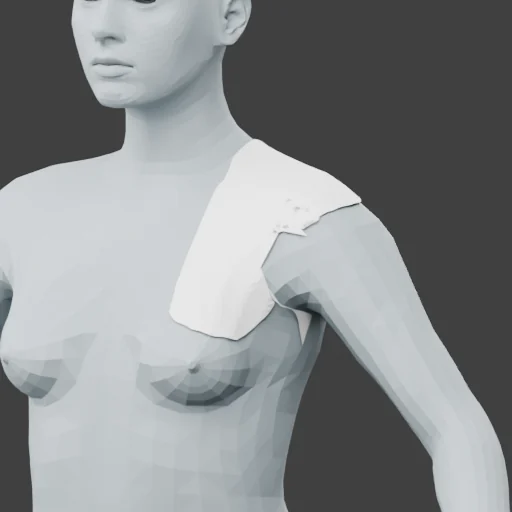
The single-chart repair remained invalid: 213 folded or collapsed chart triangles and 355 points outside the eligible chart. No second fitting solve was run.
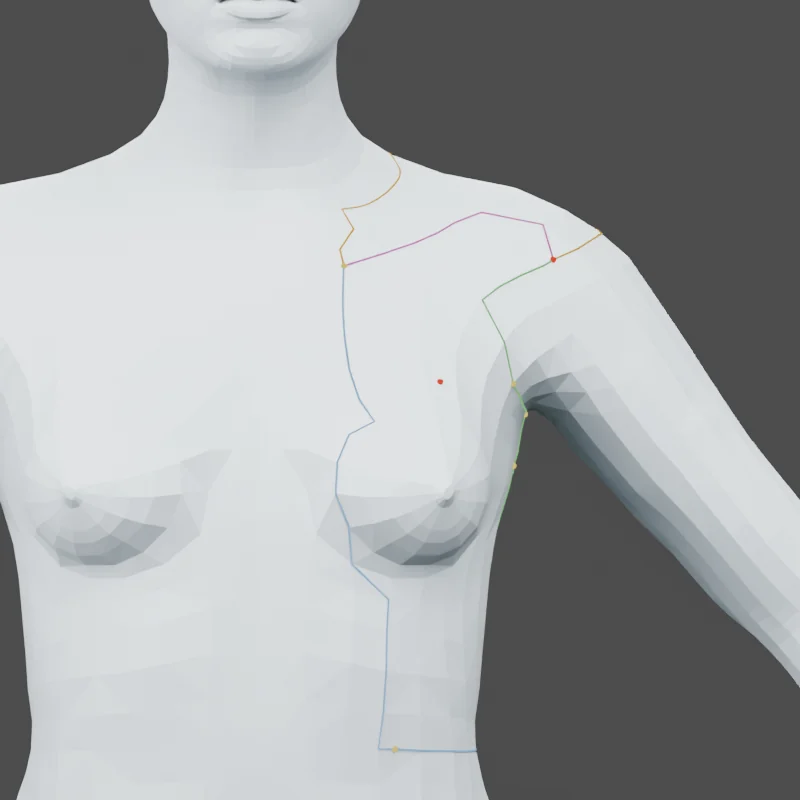
The saved V21 cut-graph diagnostic on B7. Colored routes mark intended chart boundaries; no valid atlas, fitted front or new garment was produced.
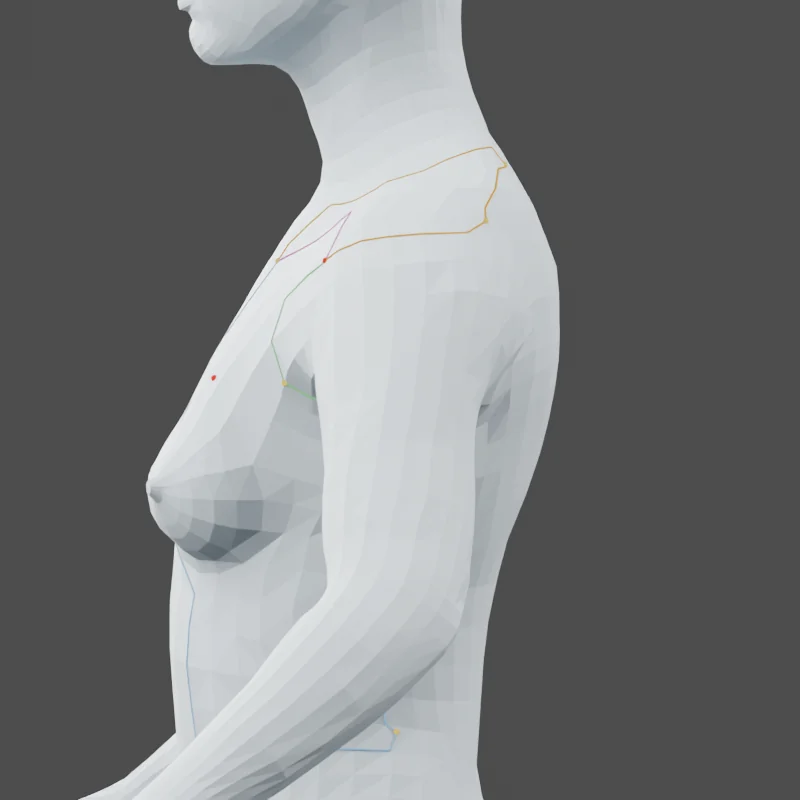
Side view of the V21 diagnostic. The routes are construction references on the body, not accepted blouse geometry.
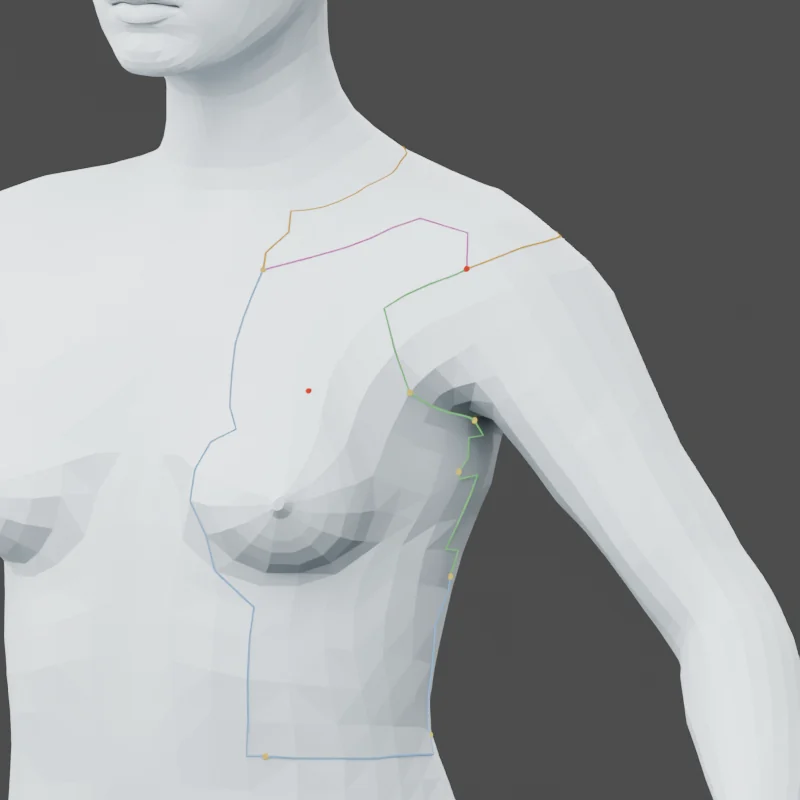
The actual V21 three-quarter construction view. It preserves the attempted chart layout while exposing the unresolved pitch junction.
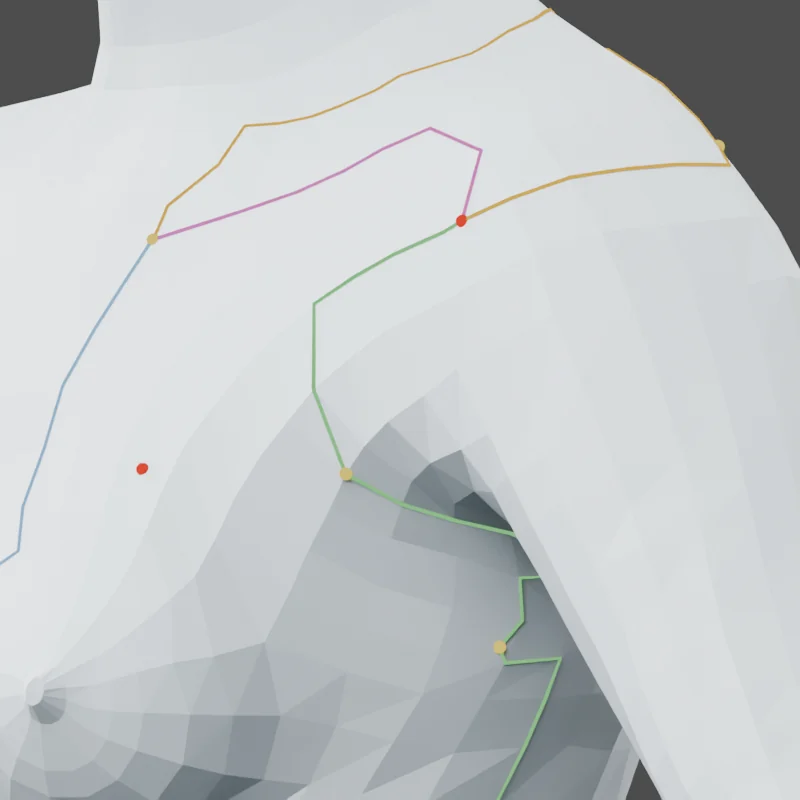
V21 diagnostic of the underarm route. This is a mapping investigation; no new underarm fit or seam join passed.
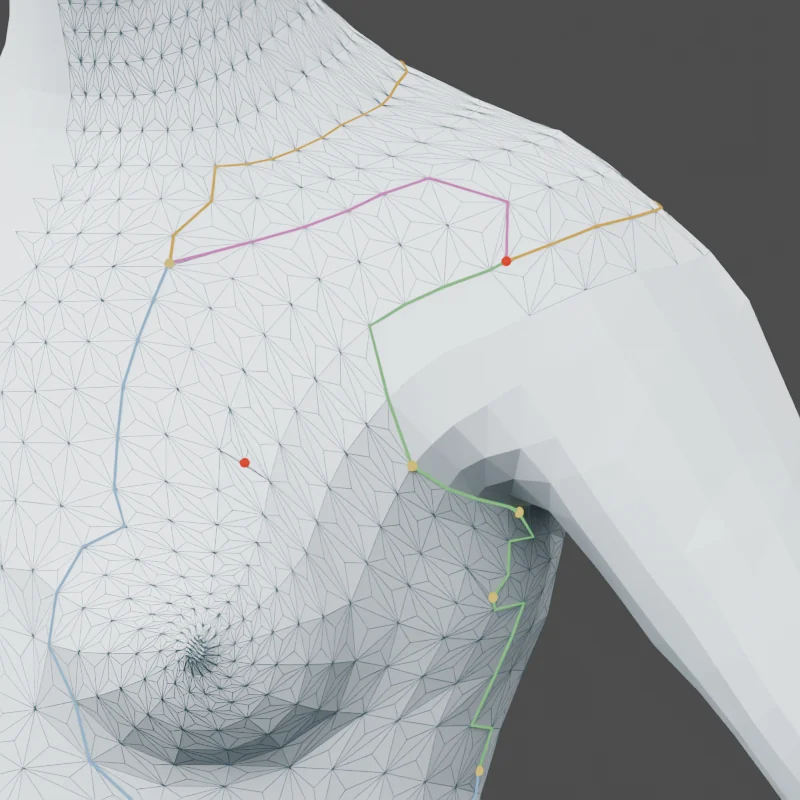
The V21 diagnostic exposes the triangulated body surface used by the routing attempt. The derivative contains 3,723 triangles; it is not the conditioned garment mesh.
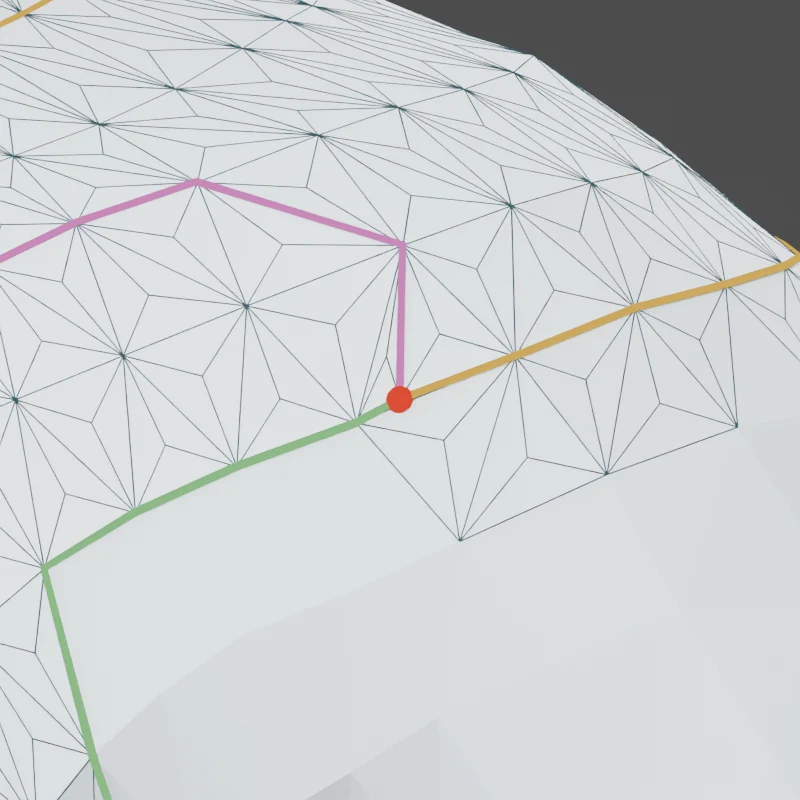
V21 closeup of the failed junction. Occupied triangle corners enclosed the pitch node. The result identifies a greedy-routing defect, not anatomical or pattern infeasibility.
The saved diagnostic made the routing defect concrete. Three occupied triangle corners enclosed the pitch node. Centroid refinement added neighbors without creating an exit, and an independent breadth-first search found a four-node reachable island. Removing either adjacent blocking route restored connectivity. That evidence identifies a greedy-routing defect; it does not prove that the anatomy or source pattern is infeasible.
The proposed next operation is a jointly planned four-sector pitch junction with distinct exit ports in the correct cyclic anatomical order. That proposal has not been executed or proven. Test the small junction before expanding the atlas. A combined atlas must still pass orientation, region, reference and shared-boundary checks; only then can static prefit and controlled fitting follow. V21 produced no new fitted front, underarm repair or seam join. The bounded primary and repair attempts are exhausted.
Takeaway: when an input map is invalid, improving the solver cannot establish a valid result. Test the representation before spending time on the solve.
Hair revealed a different separation between engineering and appearance. The V19 study had 124 measured self-crossings and about 11.297 mm of endpoint displacement. The saved V20 local-chart repair recorded zero measured self/cross pairs and approximately 0.000119 mm of endpoint drift in its bounded static proof.
Those gains matter: a gathering end should not slide away during construction, and neighboring lock volumes should not intersect arbitrarily. But the actual crown, profile and rear renders still look like separated ridges. A numerically tidy arrangement of nearly parallel strips can resemble a comb more than an updo.
V21 tested exactly two asymmetrical neighboring locks. The primary pair passed its bounded endpoint, clearance, intersection and import checks: approximately 0.000119 mm of endpoint drift, 0.350 mm of minimum sampled scalp clearance, zero measured self/cross pairs and zero sampled transport discrepancy. All fourteen fresh static/transport checks and their supplement passed. The actual renders still failed the artistic review: smooth blade-like sections and unnatural roots did not read as convincing hair.
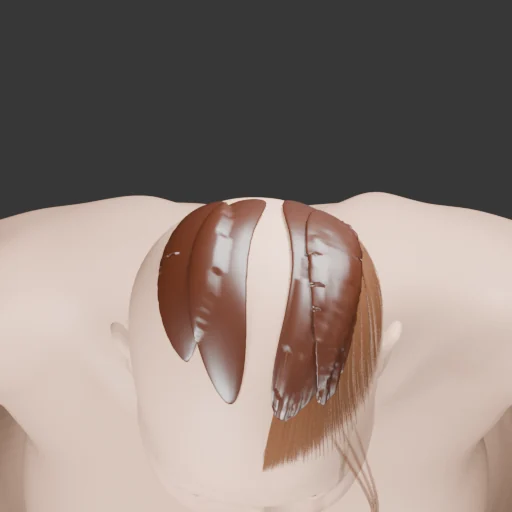
Earlier lock study with endpoint and crossing defects. This original local geometry is an experiment, not a hairstyle.
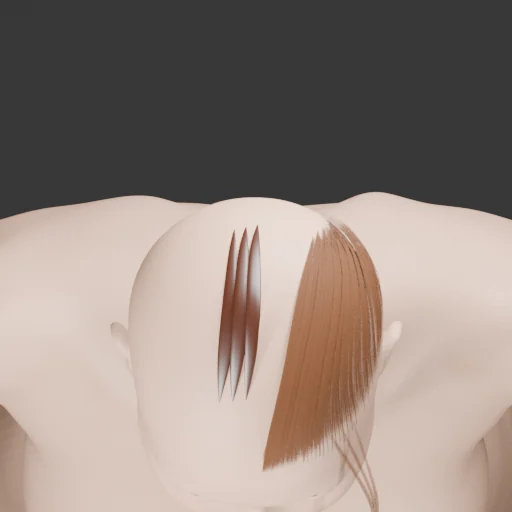
Saved V20 local-chart lock proof. Static attachment and intersection measurements improved, but the separated ridges still fail the intended natural updo. This diagnostic scalp is not the production MPFB rig.
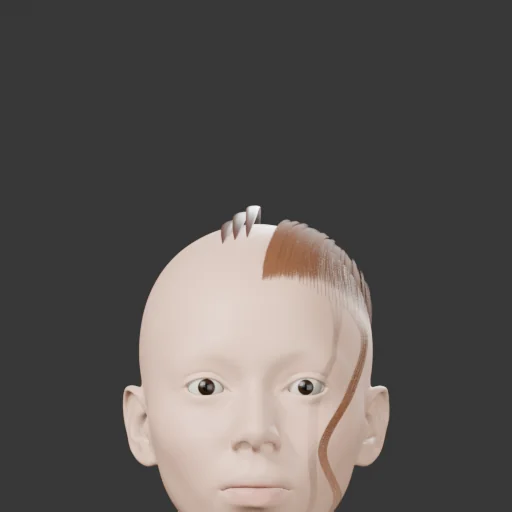
Saved V20 local-chart lock proof. Static attachment and intersection measurements improved, but the separated ridges still fail the intended natural updo. This diagnostic scalp is not the production MPFB rig.
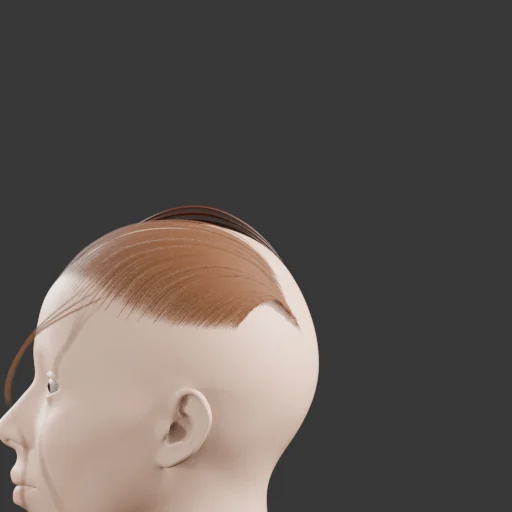
Saved V20 local-chart lock proof. Static attachment and intersection measurements improved, but the separated ridges still fail the intended natural updo. This diagnostic scalp is not the production MPFB rig.
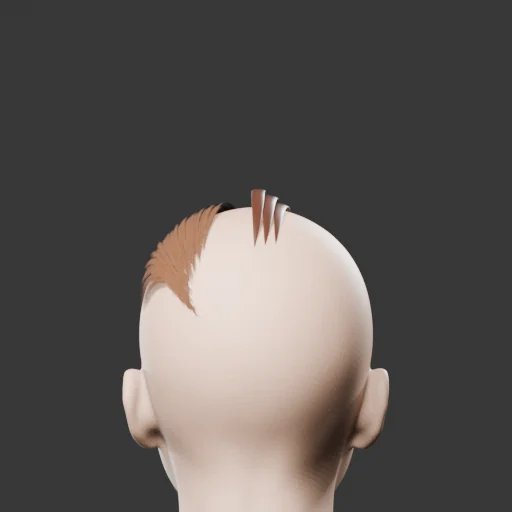
Saved V20 local-chart lock proof. Static attachment and intersection measurements improved, but the separated ridges still fail the intended natural updo. This diagnostic scalp is not the production MPFB rig.
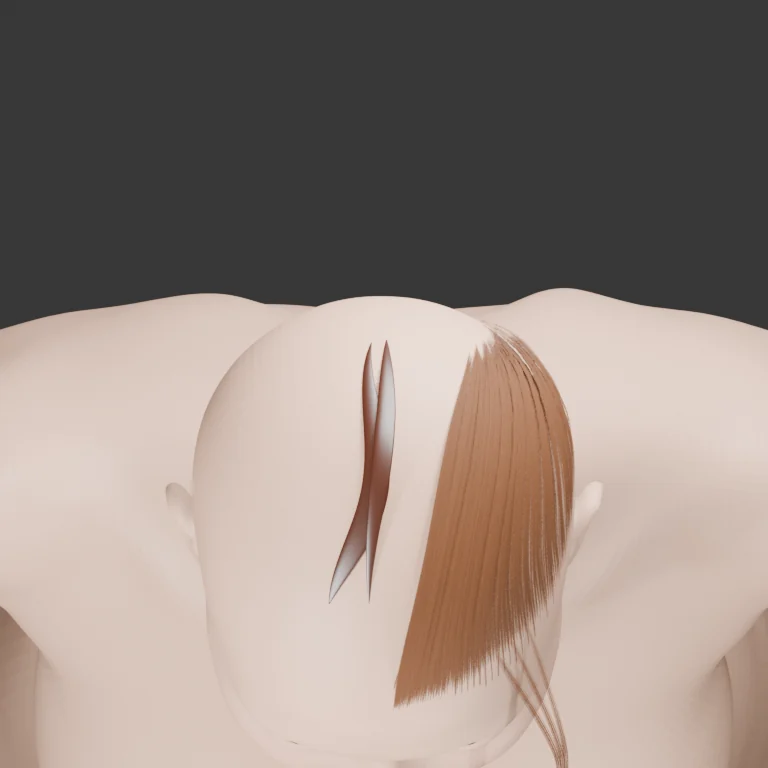
The actual V21 primary pair contains exactly two replacement locks. Static endpoint, clearance, intersection and import checks passed; the smooth blade-like sections still failed the art review.
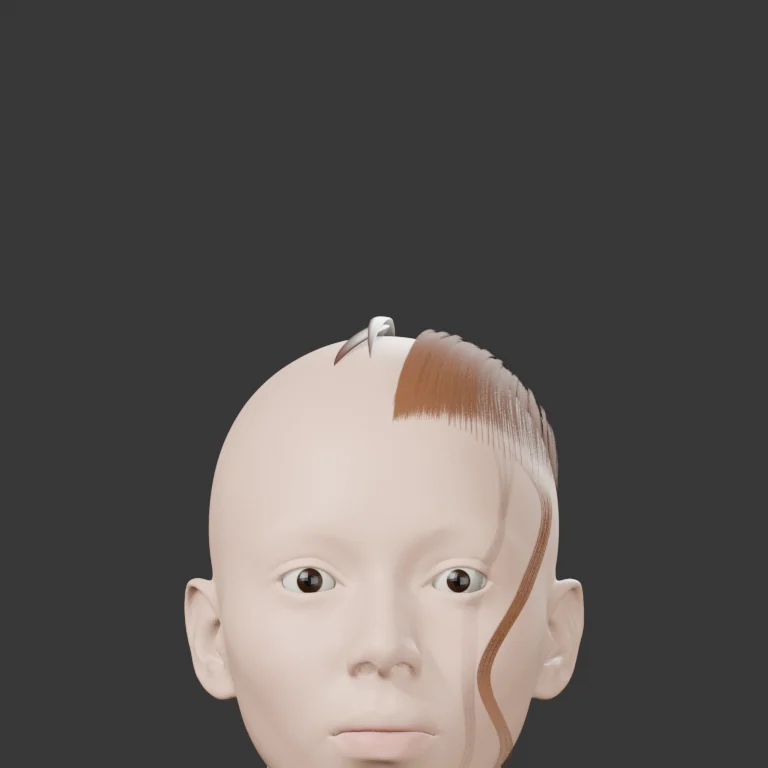
Front view of the V21 two-lock experiment in its local diagnostic context. It is not a completed hairstyle or the production MPFB character.
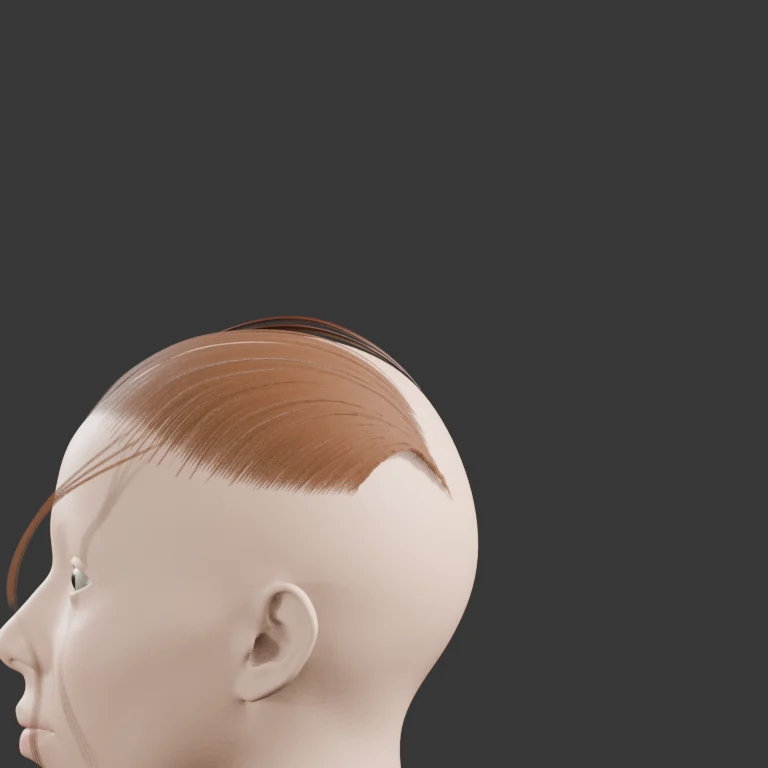
Profile view of the V21 primary pair. A clean static check did not establish natural roots, believable strand structure or artistic acceptance.
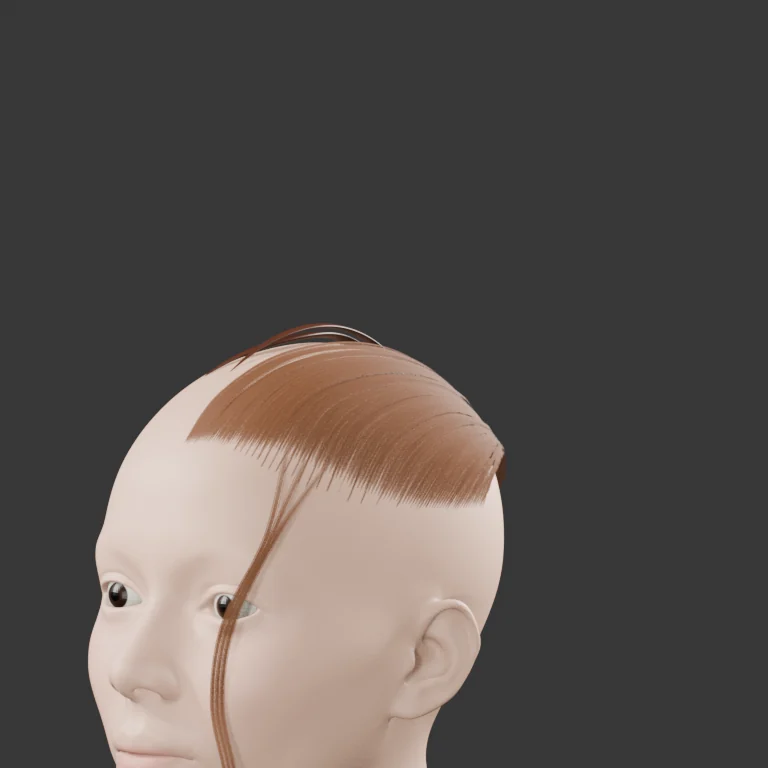
The V21 three-quarter view reveals the asymmetric two-lock construction. The surrounding diagnostic hair is context, not newly qualified character hair.
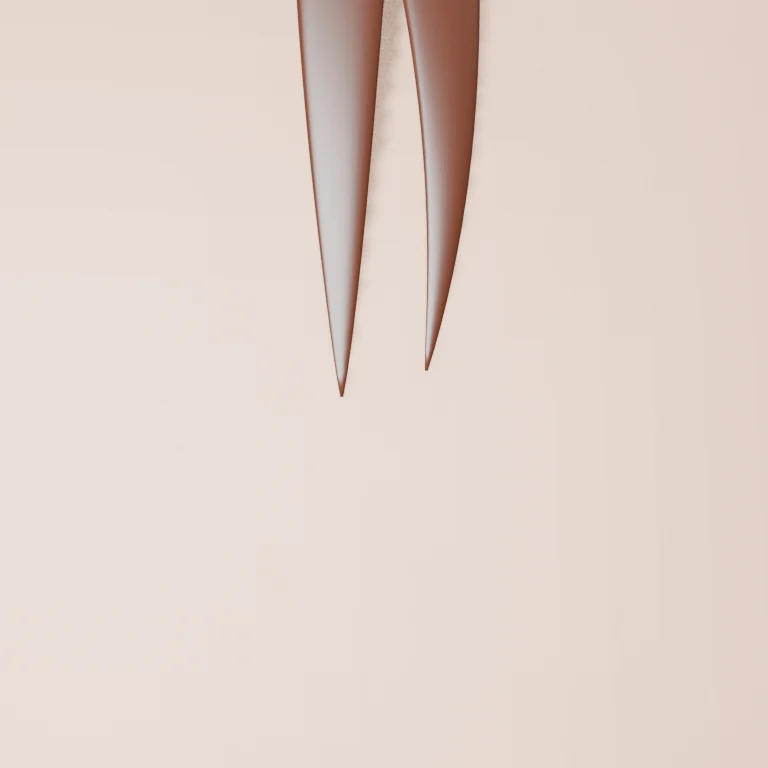
Closeup of the retained V21 primary endpoints. Measured drift was approximately 0.000119 mm; endpoint transport is separate from visual quality.
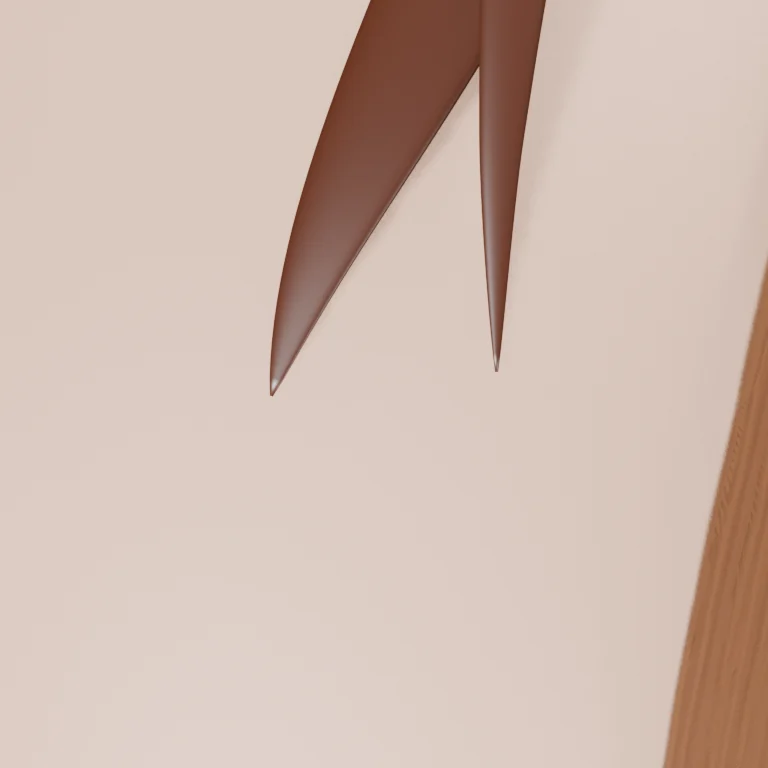
The V21 primary root closeup shows the smooth solid sections that kept the pair from artistic acceptance.
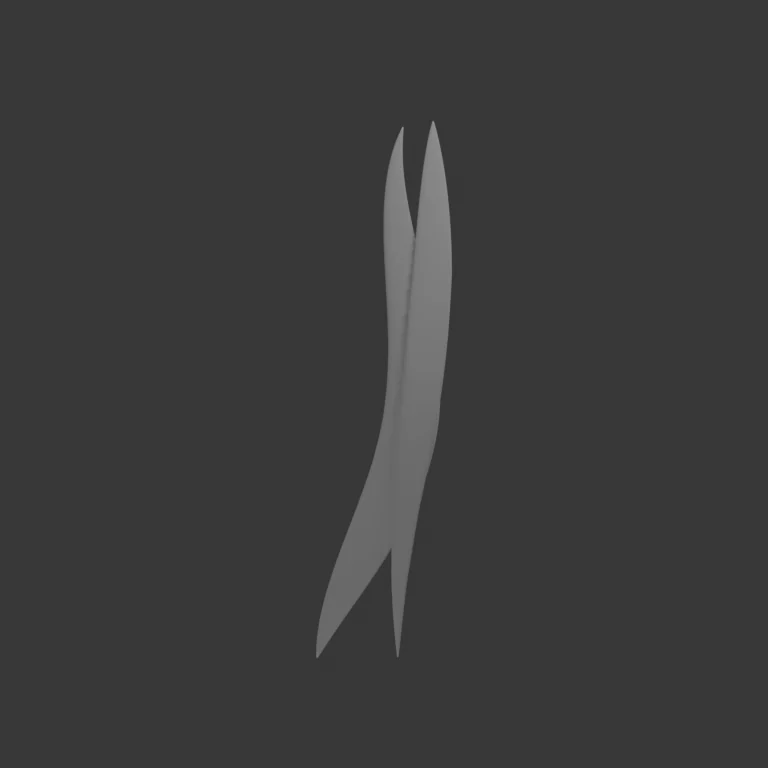
A saved complete silhouette of the V21 primary pair. The full contour is visible here; no crop was introduced for this guide.
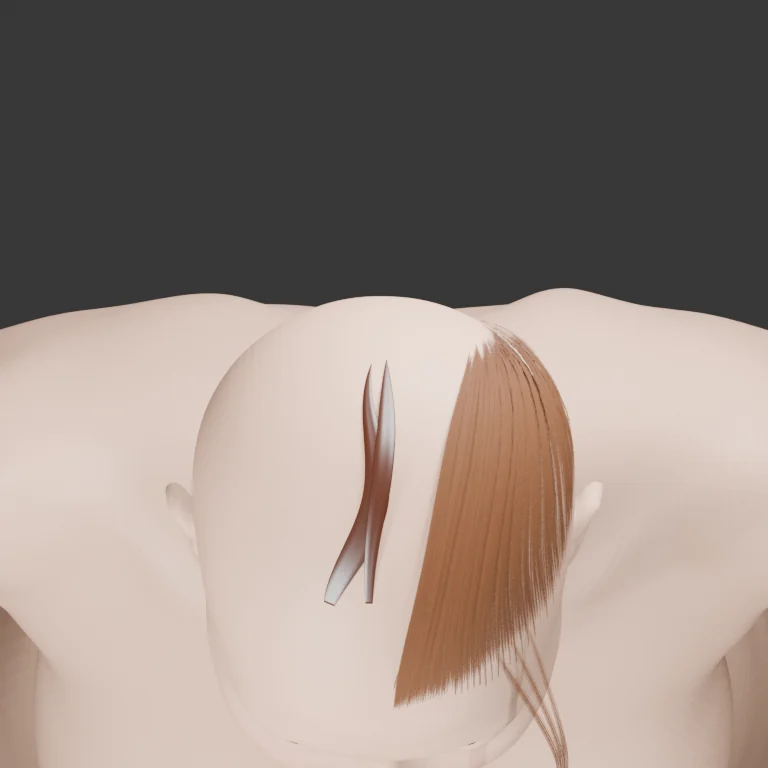
The one V21 repair attempt introduced 86 cross-lock triangle pairs and blunt root tabs. It was rejected; the primary remained a technical control, not an accepted hairstyle.
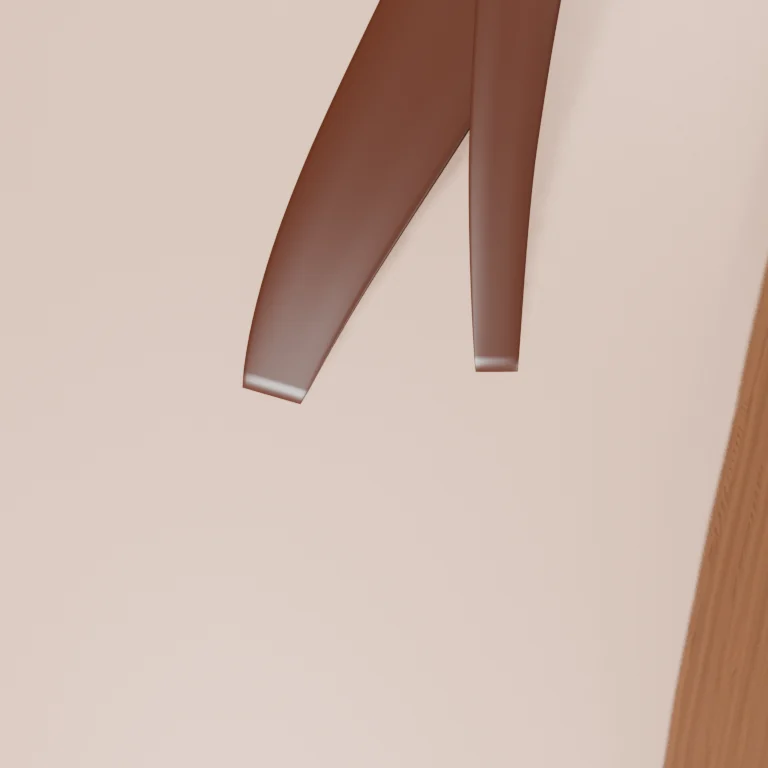
The one V21 repair attempt introduced 86 cross-lock triangle pairs and blunt root tabs. It was rejected; the primary remained a technical control, not an accepted hairstyle.
The single repair attempt made the roots into blunt tabs and introduced 86 cross-lock triangle pairs. It was rejected. The primary remains useful as a technical endpoint/transport control; it is not an accepted hairstyle. The next proposed artistic direction is distributed natural root emergence and finer cross-section breakup, not more copies of the same broad solid roots. The primary-plus-one-repair attempt allowance is exhausted. The scalp used for this local hair proof is not the MPFB production body. A static import check on that context cannot stand in for fitting, animation or integration on either receptionist. A failed A hairstyle must not be multiplied into B merely to increase the asset count.
The most reusable progress was a way of working. We stopped treating “the character” or “the blouse” as a single pass/fail object. Each dependency now has a defect, a source, a last verified result, a correction and an acceptance condition.
Keep the selected editable file, source-pattern relationship and measurements. Work on a new candidate, retaining failures for comparison.
Check mesh conditioning, persistent references and map orientation before fitting. A broken input is not a request for more iterations.
Reopen the native source independently. When export is permitted, import that exact export into a clean scene and compare the evaluated surface.
Use matched front, rear, side, three-quarter and local diagnostic views. Keep cameras comparable across revisions. Wireframe and neutral shading reveal different defects.
Passing collision or transport checks does not approve tailoring, facial identity or a hairstyle. Preserve a technical gain while marking the visual problem open.
Qualify one seam or one adjacent lock pair before adding the next region. If the new region breaks a working interface, investigate that neighborhood first.
This process is slower to describe than a before-and-after montage, but clearer to act on. It tells us which operation is justified next and which apparently successful result would be misleading. It also protects the game: experimental assets remain separate from its service actors, saves, economy and authentication.
Conditioned simulation source, persistent B7 anchors, bounded shoe contact improvements and the V21 primary hair pair’s static/transport proof.
Full-front mapping, strain and collisions; natural underarm tailoring; a joined blouse; believable hair volume; facial identity and final component art.
Complete character assembly, deformation and animation, hand/prop contact, runtime and mobile performance, then separately authorized game integration.
V21 closed with an invalid atlas and an artistically unaccepted hair pair. It also sharpened the next questions: can a jointly planned pitch junction provide valid exits, and can a technically stable pair acquire natural roots and strand structure? These are proposals for later work. The stronger face selection, V9 footwear, skirt-v05 and fixed V15 posterior remain preserved; none removes the requirement for a complete visual review.
Our receptionists are not ready to welcome players into a released game. They are ready to show something else: what character production looks like when the difficult parts remain visible. The destination is still the same. The route to it is becoming more precise.
This is a first-party development account, not an independent evaluation of the game or a finished-character tutorial. Measurements are historical results from named saved candidates, checked against the retained V9, V10, V15, V20 and completed V21 reports. They are not fresh animation, device or runtime tests performed for this article.
The two concept boards are AI-generated artwork supplied as project references. The other 53 images are actual local development renders or diagnostics; proportional WebP derivatives preserve their complete compositions. No new concept image was generated for this guide. AI assisted the local production tooling and this editorial presentation. Source models, rigs and textures are not offered for download.
Technical previews can contain unfinished anatomy and placeholder materials. Their inclusion documents a construction decision; it does not change their acceptance status. Evidence snapshot: 22 October 2026. Future progress belongs in a substantive dated update.